Recently Diagnosed With Type 2 Diabetes? Here’s How Some People Put It Into Remission
Introduction
Type 2 diabetes is often described as a problem of high blood sugar, but blood sugar is only part of the story. Long before glucose levels rise, the body begins to lose its ability to respond properly to insulin, the hormone that moves sugar from the blood into cells. When this process breaks down, sugar builds up in the bloodstream, and diabetes is diagnosed.
For many years, people with type 2 diabetes were told the condition was permanent and would slowly worsen over time. However, research over the last two decades has shown something important: when type 2 diabetes is diagnosed early, it is often possible to bring blood sugar back to normal without medication. This state is called diabetes remission. It is not a cure, but it reflects a real improvement in how the body handles sugar and insulin.
In this article, you’ll learn what diabetes remission actually means, why some people are able to achieve it while others are not, and what changes inside the body must happen for blood sugar to improve. Rather than focusing only on glucose numbers, we’ll explain how the liver, muscles, and insulin all play a role in the development—and potential reversal—of type 2 diabetes.
You’ll also learn how simple lab tests can help track progress and guide decisions after a new diagnosis, especially in the early stages when meaningful improvement is most achievable.
Listen to the Episode: A Smarter Path to Type 2 Diabetes Remission
Type 2 diabetes isn’t just a blood sugar problem—it’s a problem of where insulin resistance lives in the body.
In this episode of The Health Pulse, we explore how liver fat, visceral adiposity, muscle inactivity, and chronic insulin demand work together to drive diabetes—and how addressing each system can move the disease into remission.
Click play below to listen, or keep reading to learn which lab markers actually matter and how to start restoring insulin sensitivity from the ground up.
What Type 2 Diabetes Really Is
Insulin does much more than lower blood sugar. It is a master metabolic hormone that regulates how the body stores and uses energy across multiple tissues, including the liver, muscle, and fat tissue. Type 2 diabetes develops when these tissues stop responding to insulin in a coordinated way.
One of the most important—and often overlooked—features of type 2 diabetes is that insulin resistance is not uniform. Some insulin actions are lost, while others remain active. This is known as partial or selective insulin resistance, and it plays a central role in metabolic disease.
The Liver: Making Sugar and Fat at the Same Time
In a healthy state, insulin tells the liver to:
Stop producing glucose
Store excess energy safely
In type 2 diabetes and metabolic syndrome, the liver becomes resistant to insulin’s signal to suppress glucose production. As a result, the liver continues making glucose through a process called gluconeogenesis, even when blood sugar is already high. This contributes to elevated fasting glucose levels.
At the same time, insulin’s ability to stimulate fat production (lipogenesis) in the liver often remains intact. This creates a paradox:
the liver produces too much glucose and too much fat at the same time.
This mismatch leads to:
Fat accumulation in the liver (fatty liver disease)
Increased triglyceride production
Worsening insulin resistance
This pattern is a hallmark of metabolic syndrome and early type 2 diabetes.
Adipose Tissue: An Active Metabolic Organ
Fat tissue is not just a passive storage site. It is a hormonally active organ that plays a major role in insulin resistance.
In insulin-resistant states:
Fat cells release more free fatty acids into the bloodstream
These fatty acids travel to the liver and muscles
They interfere with insulin signaling and worsen glucose control
As fat tissue becomes dysfunctional—especially visceral (abdominal) fat—it also releases inflammatory signals that further impair insulin action. This creates a feedback loop where insulin resistance and fat accumulation reinforce each other. (NIH)
Muscle and the Pancreas
Muscle tissue, which normally absorbs large amounts of glucose after meals, becomes less responsive to insulin. This means glucose stays in the bloodstream longer after eating.
The pancreas initially compensates by producing more insulin. For a time, this keeps glucose levels near normal. Over years, however, this constant demand places stress on insulin-producing cells, and blood sugar begins to rise.

The Key Takeaway
Type 2 diabetes is not simply a problem of sugar intake or insulin deficiency. It is a condition where:
Insulin signals are partially ignored
The liver produces glucose when it shouldn’t
Fat tissue actively worsens insulin resistance
Blood sugar rises as a downstream consequence
Because this process develops gradually, early intervention can reverse many of these abnormalities, particularly before pancreatic function declines.
Why Early Diagnosis Matters
Type 2 diabetes is often described as a problem of high blood sugar, but this oversimplifies what is actually happening inside the body. Blood sugar rises because insulin’s signals stop working properly, not because insulin suddenly disappears.
Insulin is a hormone with many roles. Beyond controlling glucose, it tells the liver when to stop making sugar, tells muscle cells when to absorb glucose for energy, and tells fat tissue when to stop breaking down stored fat. Type 2 diabetes develops when these signals become disorganized and uneven across different tissues.
One of the most important concepts in understanding type 2 diabetes is that insulin resistance is tissue-specific. Not all organs become resistant in the same way or at the same time. (Nature)
The Liver: Resistant to Glucose Control, Still Making Fat
In a healthy state, insulin tells the liver to stop producing glucose after meals. In type 2 diabetes and metabolic syndrome, the liver becomes resistant to this signal. As a result, the liver continues releasing glucose into the bloodstream even when blood sugar is already elevated. This is why fasting blood sugar is often high early in the disease.
At the same time, insulin’s ability to stimulate fat production in the liver often remains intact. This creates a paradoxical situation where the liver is:
Making too much glucose
Making too much fat
This pattern—known as partial or selective insulin resistance—leads to fat accumulation in the liver, higher triglyceride production, and worsening insulin resistance. It is a defining feature of metabolic syndrome and early type 2 diabetes.
Adipose Tissue: An Active Driver of Insulin Resistance
Fat tissue is not just a storage depot; it is an active metabolic and hormonal organ. One of insulin’s key roles in fat tissue is to suppress fat breakdown, preventing excess release of free fatty acids into the bloodstream.
In insulin-resistant states, this process becomes dysregulated. Even when insulin is present, fat cells may release excessive free fatty acids, which travel to the liver and muscles. These fatty acids interfere with insulin signaling, worsen liver glucose production, and impair muscle glucose uptake.
Importantly, adipose tissue does not always become insulin-resistant at the same rate as the liver. In many patients, especially early in type 2 diabetes, fat tissue may still respond relatively well to insulin’s anti-lipolytic signal. When adipose tissue insulin sensitivity improves, insulin more effectively suppresses fat breakdown, reducing fatty acid spillover into the bloodstream. This reduction plays a critical role in improving overall metabolic control.
Muscle and the Pancreas
Muscle tissue normally absorbs large amounts of glucose after meals. In type 2 diabetes, muscle cells become less responsive to insulin, allowing glucose to remain in the bloodstream longer after eating.
The pancreas initially compensates by producing more insulin, not less. Insulin production rarely drops to zero in type 2 diabetes, especially in the early and intermediate stages. The central problem is that the body requires too much insulin to manage glucose because tissues are resistant to its effects.
Over time, this increased demand places stress on insulin-producing cells, and their function may gradually decline. However, for many newly diagnosed patients, insulin production is still sufficient, making early intervention especially effective.
The Key Takeaway
Type 2 diabetes is not caused by a lack of insulin or by sugar intake alone. It is a condition marked by:
Uneven insulin resistance across organs
Excess glucose production by the liver
Abnormal fat handling by adipose tissue
Increased insulin demand rather than insulin absence
Because these changes develop gradually, they are often modifiable early in the disease. Improving insulin sensitivity—especially in the liver and fat tissue—can reduce glucose production, lower insulin demand, and allow blood sugar to return to normal ranges.
The Core Strategies That Can Put Type 2 Diabetes Into Remission
Putting type 2 diabetes into remission does not require “fixing” blood sugar directly. Blood glucose improves as a consequence of deeper metabolic changes. For remission to occur, several processes inside the body must improve together.
1. Liver Insulin Sensitivity Must Improve
One of the earliest and most important drivers of high blood sugar in type 2 diabetes is excessive glucose production by the liver. Even when a person is not eating, the liver continues releasing glucose into the bloodstream.
For remission to occur:
The liver must become responsive again to insulin’s signal to reduce glucose output
This leads to lower fasting glucose levels
Nighttime and early-morning glucose control improves first
This improvement is closely tied to reductions in liver fat, not simply weight loss overall.
2. Adipose Tissue Must Stop Oversupplying Energy
Fat tissue plays a central role in whether diabetes improves or worsens. When adipose tissue releases too many free fatty acids into circulation, the liver and muscles are exposed to a constant oversupply of energy.
For remission:
Fat tissue must become more insulin-sensitive
Insulin must effectively suppress unnecessary fat breakdown
Fewer free fatty acids reach the liver and muscle
This reduction in fatty acid spillover improves liver insulin sensitivity and reduces triglyceride production, helping normalize both glucose and lipid metabolism.
3. Muscle Glucose Uptake Must Recover
Muscle tissue is one of the largest consumers of glucose after meals. In insulin resistance, muscle cells fail to absorb glucose efficiently, prolonging post-meal glucose elevations.
Improved muscle insulin sensitivity allows:
Faster glucose clearance after eating
Lower post-meal insulin requirements
More stable day-to-day glucose levels
Physical activity plays a key role here, but dietary factors that reduce glucose overload are equally important.
4. Insulin Demand Must Decrease
In early type 2 diabetes, the pancreas usually produces enough insulin. The problem is that the body requires too much of it.
Remission depends on:
Lowering the amount of insulin needed to control glucose
Reducing large glucose excursions that drive insulin spikes
Preserving pancreatic function by avoiding chronic overwork
This is why dietary strategies that reduce glucose input—rather than forcing more insulin output—are so effective early in the disease.
Putting It All Together
Type 2 diabetes enters remission when:
The liver stops overproducing glucose
Fat tissue releases energy appropriately
Muscle absorbs glucose efficiently
Insulin demand falls to a sustainable level
Blood sugar normalizes because the system is working better, not because glucose is being artificially suppressed.
This is also why remission is most achievable soon after diagnosis—before pancreatic function declines and before metabolic dysfunction becomes fixed.
Why Reducing Dietary Carbohydrates Plays a Central Role
Dietary carbohydrates are the main nutrient that raises blood glucose and triggers insulin release. In someone with insulin resistance, this creates a mismatch: the body is repeatedly exposed to glucose it cannot efficiently handle, and insulin must rise higher and higher to keep blood sugar under control.
Reducing dietary carbohydrates does not treat diabetes by “lowering sugar intake” alone. It works because it reduces the metabolic pressure placed on an insulin-resistant system.
Lower Glucose Input Means Lower Insulin Demand
Every time carbohydrates are consumed, glucose enters the bloodstream and insulin is required to move that glucose into cells. In insulin resistance, this process is inefficient, so the pancreas compensates by releasing more insulin.
By reducing the amount of glucose entering the system:
Blood sugar rises less after meals
The pancreas does not need to produce as much insulin
Insulin levels can stabilize instead of remaining chronically elevated
This reduction in insulin demand is critical for preserving pancreatic function in early type 2 diabetes.
Effects on the Liver
The liver is highly sensitive to both glucose and insulin signals. High carbohydrate intake—especially refined carbohydrates—feeds the liver excess energy, which worsens both glucose production and fat accumulation.
Reducing carbohydrate intake:
* Decreases liver glucose output
* Reduces liver fat over time
* Improves the liver’s response to insulin
As liver insulin sensitivity improves, fasting blood sugar often improves first.
Effects on Fat Tissue
Carbohydrate-driven insulin spikes influence fat tissue behavior. In insulin resistance, fat tissue can release excess free fatty acids even when energy is not needed.
When carbohydrate intake is reduced and insulin signaling becomes more effective:
Fat tissue responds better to insulin’s anti-lipolytic signal
Unnecessary fat breakdown decreases
Fewer free fatty acids reach the liver and muscles
This helps restore metabolic balance rather than simply shifting calories around.
This Is Not an “All or Nothing” Approach
Reducing carbohydrates does not mean eliminating them entirely. The goal is to:
Remove refined sugars and rapidly absorbed starches
Match carbohydrate intake to metabolic capacity
Avoid overwhelming an insulin-resistant system
For many newly diagnosed patients, even moderate reductions can lead to meaningful improvements in glucose control.
Why This Matters for Remission
Lowering carbohydrate intake helps create the conditions necessary for remission by:
Reducing insulin demand
Improving liver and adipose tissue signaling
Allowing blood glucose to normalize naturally
Rather than forcing the body to compensate with more insulin or medication, this approach works by reducing the need for compensation in the first place.
The Role of Medications in Early Type 2 Diabetes: Support, Not Failure
For many people, starting medication after a type 2 diabetes diagnosis can feel discouraging, as if lifestyle changes have failed before they even begin. This perception is both common and incorrect. In early type 2 diabetes, medications are best understood as tools that reduce metabolic stress, not as a sign that the disease is irreversible.
Because the core problem in type 2 diabetes is insulin resistance, many medications work by lowering the burden placed on the pancreas or by improving how tissues handle glucose. Used appropriately, they can support remission efforts, not prevent them.
Reducing Glucose Output and Insulin Demand
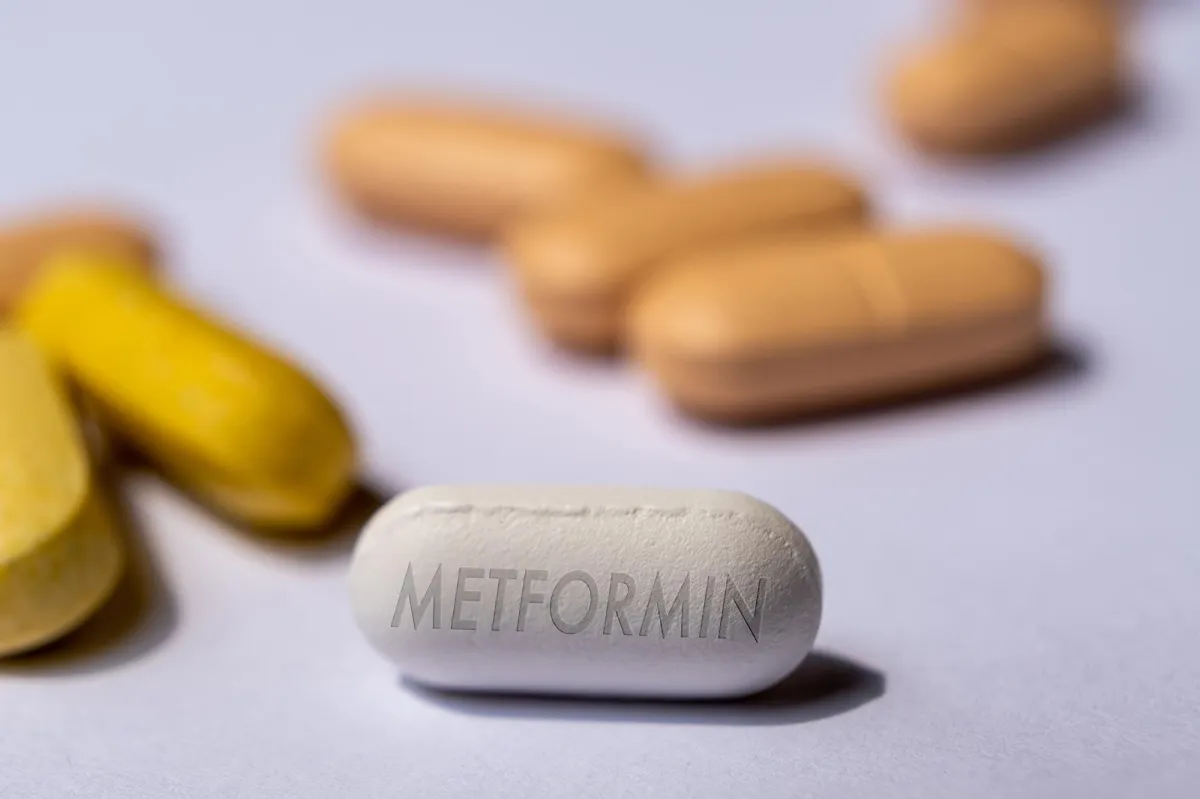
Some medications, such as metformin, primarily act on the liver. They reduce excessive glucose production and improve insulin sensitivity, particularly in people with fatty liver and metabolic syndrome. By lowering baseline glucose levels, these medications reduce the amount of insulin required to maintain control.
This is important because:
Lower insulin demand helps preserve pancreatic function
Blood sugar becomes easier to manage with dietary changes
Metabolic recovery is supported rather than delayed
Medications Do Not Replace Physiology
Medications can improve numbers, but they do not correct the underlying drivers of insulin resistance on their own. If dietary intake continues to overwhelm the system, insulin resistance persists and medication doses often need to increase over time.
In contrast, when medications are combined with strategies that:
Reduce dietary glucose load
Improve insulin sensitivity
Lower liver fat and free fatty acid spillover
they often become temporary supports rather than permanent requirements.
When Insulin Is Required in Type 2 Diabetes, Something Deserves a Closer Look
In type 2 diabetes, the need for exogenous insulin should not be viewed as an inevitable milestone. In many cases—especially early or intermediate disease—requiring insulin to control blood glucose signals that something in the underlying physiology is not adding up.
Type 2 diabetes is defined by insulin resistance, not by absolute insulin deficiency. Most patients continue to produce endogenous insulin, sometimes in significant amounts. If blood glucose remains elevated despite this, adding more insulin from the outside may lower glucose numbers, but it does not explain why glucose is elevated in the first place.
Glucose Load Must Always Be Considered
There is no dietary requirement for carbohydrate intake, particularly in the context of diabetes. Carbohydrates are the only macronutrients that directly and predictably raise blood glucose and drive insulin demand.
If a patient with type 2 diabetes requires escalating doses of insulin to control glucose, one of the first questions should be:
Is glucose intake exceeding the body’s capacity to handle it?
In many cases, ongoing carbohydrate consumption—especially refined or rapidly absorbed carbohydrates—continues to overwhelm an insulin-resistant system. Adding insulin treats the symptom (hyperglycemia) but increases insulin exposure, which can further reinforce insulin resistance over time.
This does not mean insulin is “wrong,” but it does mean that dietary glucose load must be addressed, not bypassed.
When It’s Not the Diet: Look for Other Physiologic Stressors
If carbohydrate intake has been appropriately reduced and glucose remains difficult to control, then another noxa is likely interfering with insulin action. These factors are often underappreciated but clinically significant:
Excess cortisol
Chronic stress, poor sleep, Cushing physiology, or steroid medications increase hepatic glucose production and worsen insulin resistance.
Growth hormone excess
Acromegaly and other GH-related states strongly oppose insulin action and raise blood glucose.
Loss of muscle mass
Muscle is a major site of glucose disposal. Sarcopenia or prolonged inactivity reduces glucose uptake capacity, increasing circulating glucose.
Lipodystrophy or abnormal fat distribution
When fat tissue cannot store energy properly, excess fuel is redirected to the liver and muscle, driving severe insulin resistance.
Medications and inflammatory states
Glucocorticoids, some psychiatric medications, chronic infections, and systemic inflammation all impair insulin signaling.
In these cases, insulin resistance is being driven by factors beyond simple glucose intake, and identifying them is essential.
Insulin Should Be a Signal to Investigate, Not to Stop Thinking
There are situations where insulin is necessary and appropriate. But in type 2 diabetes, its use should prompt deeper questions:
Why is endogenous insulin insufficient functionally?
Is insulin resistance being driven by diet, hormones, body composition, or inflammation?
What can be removed or corrected to reduce insulin demand?
Using insulin without addressing these questions risks treating hyperglycemia while reinforcing the underlying problem.
The Physiologic Goal Remains the Same
Whether insulin is used or not, the objective in type 2 diabetes is to:
Reduce insulin resistance
Lower unnecessary insulin exposure
Decrease hepatic glucose output
Match glucose input to metabolic capacity
When those conditions are met, glucose control often improves dramatically—and the need for exogenous insulin may diminish or disappear.
How Lab Testing Helps Identify the Real Driver of Hyperglycemia
Blood glucose alone does not explain why type 2 diabetes is present or why it is difficult to control. Two patients can have the same glucose level for very different physiological reasons. This is why relying only on fasting glucose or HbA1c often leads to incomplete—or misleading—clinical conclusions.
To understand whether type 2 diabetes can improve, enter remission, or requires deeper investigation, lab testing must focus on insulin action, insulin demand, and metabolic stressors, not glucose in isolation.
Insulin and Insulin Demand
Measuring glucose without insulin is like measuring speed without knowing engine load.
Fasting insulin helps determine whether the pancreas is producing large amounts of insulin to compensate for resistance.
High insulin with elevated glucose suggests severe insulin resistance rather than insulin deficiency.
Normal or low insulin with high glucose raises concern for beta-cell dysfunction or other interfering factors.
This distinction is critical when deciding whether adding insulin makes physiologic sense.
Markers of Hepatic Insulin Resistance
Because the liver is a major driver of fasting hyperglycemia, labs that reflect liver metabolism provide essential context:
Triglycerides and triglyceride-to-HDL ratio correlate strongly with hepatic insulin resistance.
ALT and AST, even within “normal” ranges, can suggest fatty liver involvement.
Improvement in these markers often precedes visible improvements in glucose control.
If fasting glucose remains elevated while these markers improve, the trajectory is still favorable.
Adipose Tissue and Lipid Overflow
Excess free fatty acid flux worsens insulin resistance even when glucose intake is controlled.
Elevated triglycerides reflect excessive lipid delivery to the liver.
ApoB and particle-based lipid markers help assess energy trafficking rather than cholesterol alone.
Improvement in lipid handling often signals that adipose tissue insulin sensitivity is recovering.
Hormonal and Catabolic Stressors
When glucose remains elevated despite appropriate dietary carbohydrate reduction, additional noxious influences must be considered.
Targeted testing may include:
Cortisol patterns when stress physiology or steroid exposure is suspected
IGF-1 when growth hormone excess is a concern
Markers of muscle mass and protein status when sarcopenia is present
Inflammatory markers when chronic illness or systemic stress is contributing
These factors can oppose insulin action powerfully and are frequently overlooked.
HbA1c as a Trajectory Marker, Not a Verdict
HbA1c reflects average glucose exposure over time, but it does not explain causality. In early intervention, HbA1c may lag behind real metabolic improvements.
For this reason, HbA1c should be interpreted alongside:
Insulin levels
Lipid trends
Liver markers
Dietary context
A temporarily elevated HbA1c does not mean failure if the underlying drivers are improving.
Why This Matters for Remission
Type 2 diabetes improves when:
Insulin resistance decreases
Insulin demand falls
Excess glucose input is removed
Hormonal and metabolic stressors are addressed
Lab testing allows clinicians and patients to identify which lever is still stuck, rather than escalating therapy blindly.
Conclusion
Type 2 diabetes is not simply a disease of high blood sugar, nor is it an automatic progression toward insulin dependence. It is a condition driven by insulin resistance, excess glucose exposure, abnormal fat handling, and hormonal or metabolic stressors—many of which are modifiable, especially early after diagnosis.
For newly diagnosed patients, remission is not about chasing glucose numbers with escalating therapy. It is about restoring metabolic balance: reducing unnecessary glucose input, improving insulin sensitivity in the liver, muscle, and fat tissue, and lowering the demand placed on the pancreas. When these processes improve, blood sugar often follows.
The need for exogenous insulin in type 2 diabetes should never be viewed as the end of the conversation. Instead, it should prompt deeper questions about dietary glucose load, body composition, liver health, stress hormones, inflammation, and other physiologic factors that impair insulin action. Treating hyperglycemia without addressing these drivers risks controlling numbers while reinforcing the underlying disease.
Most importantly, early intervention matters. When insulin production is still preserved and metabolic flexibility remains, the opportunity for meaningful improvement—and even remission—is real. Achieving that outcome requires moving beyond glucose alone and understanding why the system is dysregulated in the first place.
At QuickLab Mobile, we support this approach by providing at-home lab testing in Miami, allowing patients and clinicians to track insulin resistance, liver markers, lipids, and metabolic stressors with precision and convenience.
If you’ve been recently diagnosed with type 2 diabetes, the most important step is not more medication—it’s better information.
👉 Book Your Test Now
[https://quicklabmobile.com/service](https://quicklabmobile.com/service)
Disclaimer:
The information provided in this blog, podcast, and associated content is for educational and informational purposes only and is not intended as a substitute for professional medical advice, diagnosis, or treatment. The content shared is based on reputable sources, medical literature, and expert insights, but it should not be used as a replacement for direct consultation with a licensed healthcare provider.
No Doctor-Patient Relationship: Engaging with this content does not create a doctor-patient relationship between you and QuickLabMobile or any contributors. Always consult with a qualified physician, specialist, or healthcare professional before making any medical decisions, changing your treatment plan, or starting/stopping any medications.
Not a Substitute for Medical Advice: While we strive to provide accurate and up-to-date information, medicine is constantly evolving. New research, treatments, and medical recommendations may emerge, and individual health conditions can vary. Do not rely solely on this content for health decisions. If you are experiencing symptoms, have concerns about your health, or require medical assistance, seek immediate care from a licensed medical professional.
Emergency Situations: If you are experiencing a medical emergency, such as difficulty breathing, chest pain, signs of a stroke, or any other life-threatening condition, call 911 (or your local emergency services) immediately. Do not delay seeking emergency care based on information provided here.
Liability Disclaimer: QuickLabMobile, its contributors, and any associated entities do not assume liability for any damages, harm, or adverse outcomes resulting from the use, interpretation, or misuse of the information provided in this content. You are responsible for your own healthcare decisions and should always verify information with a trusted medical professional.
External Links & References: This content may include links to external sources, medical studies, or third-party websites for further reading. These links are provided for convenience and informational purposes only. QuickLabMobile does not endorse, control, or take responsibility for the accuracy of external content. Always verify information with authoritative sources such as the CDC, NIH, WHO, or Mayo Clinic.
Final Note: Your health is unique, and what works for one person may not be suitable for another. Stay informed, ask questions, and always prioritize professional medical guidance.