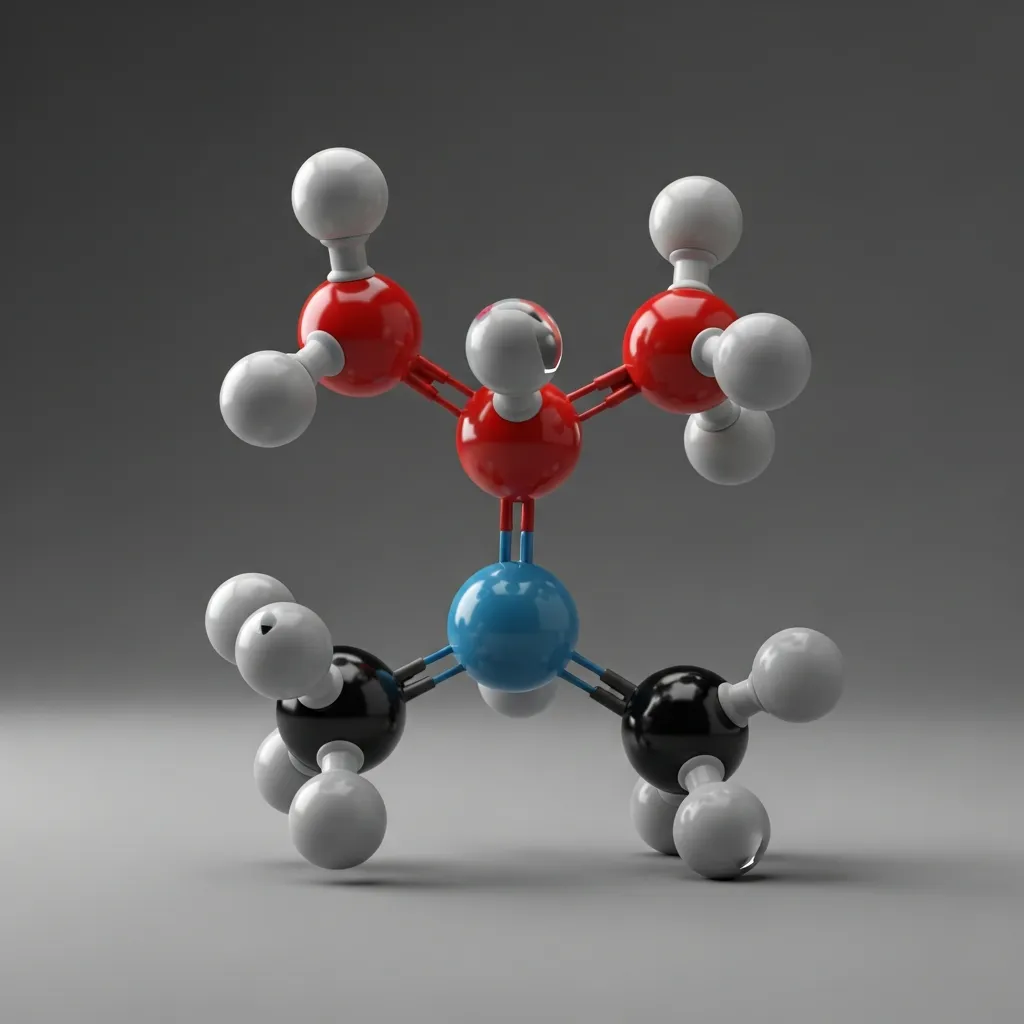
ATP: The Molecule That Powers Life
Introduction
Every movement you make, every heartbeat, every breath you take, and every thought you have depends on a single molecule.
That molecule is adenosine triphosphate, better known as ATP.
Often referred to as the "energy currency of the cell," ATP powers virtually every biological process in the human body. Muscles cannot contract without it. Nerves cannot transmit electrical signals. The heart cannot pump blood. The brain cannot form memories. Even the enzymes responsible for repairing DNA and building new proteins require a continuous supply of ATP to function.
Despite its importance, ATP is rarely discussed outside of biology classrooms.
Most conversations about health focus on calories, carbohydrates, fats, or protein. Yet these nutrients are not the body's true energy currency. Instead, they are simply raw materials that mitochondria convert into ATP—the molecule that cells can actually use to perform work.
This distinction is important because many chronic diseases share a common feature: impaired cellular energy production.
Researchers have identified abnormalities in ATP production and mitochondrial function in conditions such as heart failure, type 2 diabetes, Alzheimer's disease, Parkinson's disease, chronic fatigue, and many other disorders. While these diseases differ in their causes and clinical presentation, they often converge on one fundamental problem: the cell's ability to generate and utilize energy efficiently.
Understanding ATP changes the way we think about health.
Rather than viewing metabolism as simply the process of burning calories, it becomes a story of how efficiently the body transforms nutrients into usable energy to sustain life.
In this article, we'll explore what ATP is, how it is produced, why it is indispensable for every organ in the body, and why maintaining healthy cellular energy production may be one of the most important foundations of long-term health.
🎧 Listen to the Episode: The Molecule That Powers Life
Every symptom, every organ, and every cell depends on one tiny molecule: ATP.
In this episode of The Health Pulse, we explore how your body generates cellular energy, why mitochondria are central to long-term health, and how declining ATP production may connect fatigue, metabolic disease, cardiovascular disease, and neurodegeneration through a common biological pathway.
▶️ Click play below to listen, or keep reading to discover why understanding ATP may completely transform the way you think about energy, metabolism, and chronic disease.
What Is ATP?
ATP, or adenosine triphosphate, is the molecule that stores and transfers energy inside every living cell. It is often called the body's "energy currency" because nearly all cellular work is paid for with ATP.
Structurally, ATP consists of three components:
Adenine, a nitrogen-containing base
Ribose, a five-carbon sugar
Three phosphate groups linked together by high-energy chemical bonds
The key to ATP's function lies in these phosphate bonds.
When a cell needs energy, one of ATP's phosphate groups is removed through a process called hydrolysis, converting ATP into adenosine diphosphate (ADP). This reaction releases energy that can immediately be used to power cellular processes.
Cells then recycle ADP back into ATP by adding another phosphate group, using energy obtained from the metabolism of carbohydrates, fats, or, to a lesser extent, proteins.
This recycling process never stops.
Unlike fat or glycogen, ATP is not stored in large quantities. The body maintains only enough ATP to sustain a few seconds of activity at any given moment. As a result, ATP must be regenerated continuously to meet the body's enormous energy demands.
In fact, the average adult recycles approximately their own body weight in ATP every day. During periods of intense physical activity, ATP turnover can increase several-fold, highlighting just how dynamic human metabolism truly is.
ATP powers virtually every process required for life, including:
Muscle contraction
Nerve impulse transmission
Active transport of nutrients across cell membranes
Protein synthesis
DNA repair
Hormone production
Immune cell activation
Cellular growth and division
Without a constant supply of ATP, cells cannot maintain their structure or perform even their most basic functions.
The key point is that ATP is not simply another biochemical molecule. It is the immediate source of energy that powers every living cell, linking the nutrients we consume to every biological process that keeps us alive.
What Is ATP?
ATP, or adenosine triphosphate, is the molecule that stores and transfers energy inside every living cell. It is often called the body's "energy currency" because nearly all cellular work is paid for with ATP.
Structurally, ATP consists of three components:
Adenine, a nitrogen-containing base
Ribose, a five-carbon sugar
Three phosphate groups linked together by high-energy chemical bonds
The key to ATP's function lies in these phosphate bonds.
When a cell needs energy, one of ATP's phosphate groups is removed through a process called hydrolysis, converting ATP into adenosine diphosphate (ADP). This reaction releases energy that can immediately be used to power cellular processes.
Cells then recycle ADP back into ATP by adding another phosphate group, using energy obtained from the metabolism of carbohydrates, fats, or, to a lesser extent, proteins.
This recycling process never stops.
Unlike fat or glycogen, ATP is not stored in large quantities. The body maintains only enough ATP to sustain a few seconds of activity at any given moment. As a result, ATP must be regenerated continuously to meet the body's enormous energy demands.
In fact, the average adult recycles approximately their own body weight in ATP every day. During periods of intense physical activity, ATP turnover can increase several-fold, highlighting just how dynamic human metabolism truly is.
ATP powers virtually every process required for life, including:
Muscle contraction
Nerve impulse transmission
Active transport of nutrients across cell membranes
Protein synthesis
DNA repair
Hormone production
Immune cell activation
Cellular growth and division
Without a constant supply of ATP, cells cannot maintain their structure or perform even their most basic functions.
The key point is that ATP is not simply another biochemical molecule. It is the immediate source of energy that powers every living cell, linking the nutrients we consume to every biological process that keeps us alive.
How Does the Body Produce ATP?
Because the body stores very little ATP, it must continuously regenerate it from the food we eat. To accomplish this, humans have evolved three interconnected energy systems, each designed to meet different levels of energy demand.
1. The Phosphocreatine System
When energy is needed immediately—such as standing up, jumping, or lifting a heavy weight—the body relies on the phosphocreatine (PCr) system.
Phosphocreatine is a high-energy molecule stored primarily within skeletal muscle. It rapidly donates a phosphate group to ADP through the enzyme creatine kinase, instantly regenerating ATP.
This system is extremely fast but has a limited capacity, typically providing energy for only about 5 to 10 seconds of maximal effort.
2. Glycolysis
When energy demands persist beyond the phosphocreatine system, cells increasingly rely on glycolysis.
During glycolysis, glucose is broken down into pyruvate, generating ATP much more rapidly than mitochondrial metabolism. If oxygen availability or mitochondrial capacity is limited, pyruvate is converted into lactate, allowing glycolysis to continue producing ATP for short periods.
Although glycolysis is relatively fast, it is considerably less efficient than mitochondrial energy production, yielding only a small amount of ATP from each glucose molecule.
3. Oxidative Phosphorylation
For most of the day, the vast majority of ATP is produced inside the mitochondria through oxidative phosphorylation.
Fatty acids, glucose, ketones, and, to a lesser extent, amino acids are converted into acetyl-CoA, which enters the citric acid cycle. High-energy electrons generated during this process are transferred to the electron transport chain, where they drive ATP synthase to produce large quantities of ATP.
This system is slower than the phosphocreatine system or glycolysis, but it is far more efficient and can sustain energy production for hours or even days, provided oxygen and nutrients remain available.
These three systems do not function independently.
Instead, they work together continuously. Even while reading this article, your muscles, brain, heart, and other organs are drawing ATP from all three systems to varying degrees, depending on their immediate energy demands.
The key point is that ATP production is remarkably adaptable. Whether you are sprinting, sleeping, fasting, or eating, your body constantly adjusts which energy system and which fuel source will most efficiently meet the needs of each cell.
Why ATP Matters in Chronic Disease
Because ATP powers virtually every cellular process, it is not surprising that impaired energy production is a common feature of many chronic diseases.
This does not mean that ATP deficiency is always the primary cause of disease. Rather, it means that when cells struggle to produce enough energy, their ability to perform normal functions gradually declines.
The organs with the highest energy demands are often the first to be affected.
The brain consumes approximately 20% of the body's energy despite representing only about 2% of total body weight. Neurons require a continuous supply of ATP to transmit electrical signals, maintain ion gradients, recycle neurotransmitters, and form new memories. Even modest reductions in ATP production can impair cognitive function and, over time, contribute to neurodegenerative diseases such as Alzheimer's and Parkinson's disease.
The heart is equally dependent on ATP.
Every heartbeat requires enormous amounts of energy to power contraction, relaxation, and calcium transport within cardiac muscle cells. In heart failure, mitochondrial dysfunction and reduced ATP production leave the heart with insufficient energy to maintain normal pumping efficiency, leading many researchers to describe heart failure as an energy-starved organ.
Skeletal muscle also relies heavily on ATP.
When mitochondrial function declines, muscles become less efficient at oxidizing glucose and fatty acids, contributing to fatigue, reduced exercise capacity, insulin resistance, and the gradual loss of metabolic flexibility.
Even the immune system depends on adequate ATP production.
Immune cells require large amounts of energy to migrate, proliferate, produce antibodies, and coordinate inflammatory responses. Increasing evidence from the field of immunometabolism suggests that abnormal energy metabolism can alter immune cell behavior and contribute to chronic inflammatory and autoimmune diseases.
One common thread links all of these conditions: mitochondrial dysfunction.
When mitochondria become less efficient, ATP production falls while reactive oxygen species increase. The resulting oxidative stress can further damage mitochondria, creating a vicious cycle in which declining energy production and increasing cellular injury reinforce one another.
The key point is that chronic disease often involves more than damage to a particular organ. At a deeper level, many conditions share a common challenge: the inability of cells to generate enough ATP to sustain normal function. Understanding this energetic perspective provides a unifying framework for understanding why seemingly different diseases often share similar metabolic abnormalities.
How Can We Support Healthy ATP Production?
Every cell in the body depends on ATP, but ATP production is only as efficient as the metabolic environment in which mitochondria operate. While aging and genetics influence mitochondrial function, many of the factors that determine ATP production are directly affected by lifestyle.
One of the most powerful stimulators of ATP production is regular physical activity.
Exercise places an increased demand on cellular energy, signaling the body to produce more mitochondria through a process known as mitochondrial biogenesis. As mitochondrial number and function improve, cells become more efficient at generating ATP from both glucose and fatty acids.
Nutrition also plays an essential role.
Mitochondria require a continuous supply of nutrients to produce ATP, but they also function best when they are not chronically overloaded. Diets that improve insulin sensitivity and reduce persistent nutrient excess help create a metabolic environment that supports efficient energy production. Regardless of the specific dietary pattern, emphasizing minimally processed foods and maintaining good metabolic health allows mitochondria to operate more effectively.
Sleep is equally important.
During restorative sleep, cells repair damaged proteins, recycle dysfunctional mitochondria through mitophagy, and restore metabolic balance. Chronic sleep deprivation has been associated with impaired mitochondrial function, reduced ATP production, and increased oxidative stress.
Managing chronic stress also matters.
Persistent activation of the sympathetic nervous system increases energy demands while promoting inflammation and oxidative stress. Over time, these changes can impair mitochondrial efficiency and reduce the cell's ability to generate ATP.
Several nutrients are also involved in mitochondrial energy metabolism. Iron is required for the electron transport chain, B vitamins participate in energy-producing pathways, magnesium is necessary for hundreds of ATP-dependent reactions, and coenzyme Q10 serves as an electron carrier within the mitochondrial membrane. Deficiencies in these nutrients can impair ATP production, although supplementation is most beneficial when a deficiency or specific clinical indication exists.
The encouraging news is that mitochondria are remarkably adaptable.
Healthy lifestyle habits do not simply preserve existing mitochondrial function—they stimulate the formation of new mitochondria, improve the efficiency of existing ones, and strengthen the body's capacity to produce ATP. This adaptability is one of the reasons regular exercise, quality sleep, good nutrition, and metabolic health consistently reduce the risk of chronic disease.
The key point is that supporting ATP production is not about finding a single "energy booster." It is about creating the physiological conditions that allow mitochondria to efficiently convert nutrients into the energy that powers every cell in the body.
How Lab Testing Can Help Evaluate Cellular Energy Metabolism
There is currently no routine blood test that directly measures the body's overall ATP production. ATP is generated and consumed continuously inside trillions of cells, making it impossible to capture with a single laboratory value.
Instead, clinicians assess the metabolic conditions that support—or impair—healthy energy production.
One of the most informative markers is fasting insulin.
Chronically elevated fasting insulin often indicates hyperinsulinemia and insulin resistance, conditions that increase metabolic stress on mitochondria and reduce the efficiency of cellular energy production. Identifying these changes early provides an opportunity to intervene before more advanced metabolic disease develops.
Markers of glucose regulation, including fasting glucose and HbA1c, help evaluate how effectively the body manages its primary carbohydrate fuel. Poor glucose regulation is associated with mitochondrial dysfunction, oxidative stress, and impaired ATP production over time.
Lipid testing also provides valuable information. Elevated triglycerides, low HDL cholesterol, and increased ApoB frequently accompany insulin resistance and metabolic inflexibility, reflecting a physiological environment that places greater demands on mitochondrial function.
Liver function tests such as ALT and AST can help identify metabolic dysfunction, including fatty liver disease, a condition closely linked to impaired mitochondrial fat oxidation and abnormal energy metabolism.
Nutritional status is another important consideration. Iron, vitamin B12, magnesium, and vitamin D all play essential roles in normal cellular physiology, and deficiencies may contribute to fatigue or reduced exercise tolerance by limiting the body's ability to support efficient energy metabolism.
Inflammatory markers such as hs-CRP provide additional insight. Chronic low-grade inflammation increases oxidative stress and mitochondrial workload, further reducing the efficiency of ATP production.
At QuickLab Mobile, we help patients evaluate these metabolic and nutritional markers through comprehensive at-home lab testing in Miami. By assessing insulin resistance, glucose regulation, lipid particles, inflammation, liver function, kidney health, and nutritional status, patients can gain a more complete understanding of the physiological factors that influence cellular energy production.
The goal is not simply to identify disease after it develops. It is to recognize the metabolic conditions that affect ATP production long before symptoms appear, allowing patients and their healthcare providers to make informed decisions that support long-term health.
Conclusion
Every biological process in the human body ultimately depends on ATP.
Whether your heart is beating, your brain is processing information, your muscles are contracting, or your immune system is fighting an infection, ATP is the molecule that makes it all possible. It is the final product of metabolism and the immediate source of energy that powers life itself.
This perspective changes how we think about health.
Carbohydrates, fats, and proteins are not the body's true energy currency—they are simply the raw materials used to manufacture ATP. Likewise, mitochondria are not important merely because they exist within our cells; they are essential because they continuously convert these nutrients into the energy required for every cellular function.
As research has advanced, scientists have increasingly recognized that impaired energy production is a common feature of many chronic diseases. Conditions such as type 2 diabetes, heart failure, Alzheimer's disease, Parkinson's disease, metabolic syndrome, and chronic inflammatory disorders all demonstrate abnormalities in mitochondrial function and ATP production. While these diseases have different causes, they often share a common consequence: reduced cellular energy availability.
The encouraging news is that ATP production is highly adaptable.
Regular exercise, healthy nutrition, restorative sleep, stress management, and maintaining insulin sensitivity all support healthier mitochondria and more efficient ATP production. These lifestyle habits do not simply increase energy levels—they strengthen the fundamental biological systems that sustain every organ in the body.
At QuickLab Mobile, we help patients evaluate many of the metabolic factors that influence cellular energy production through comprehensive at-home lab testing in Miami. By measuring fasting insulin, glucose regulation, lipid markers, inflammatory biomarkers, liver function, kidney health, and nutritional status, patients can identify early metabolic dysfunction and monitor their progress toward better health.
Perhaps the most important lesson is this: health is not simply the absence of disease—it is the ability of trillions of cells to continuously produce the energy required for life. Protecting mitochondrial function and supporting efficient ATP production may therefore be one of the most fundamental strategies for promoting long-term health, healthy aging, and disease prevention.
👉 Book Your Test Now
Disclaimer:
The information provided in this blog, podcast, and associated content is for educational and informational purposes only and is not intended as a substitute for professional medical advice, diagnosis, or treatment. The content shared is based on reputable sources, medical literature, and expert insights, but it should not be used as a replacement for direct consultation with a licensed healthcare provider.
No Doctor-Patient Relationship: Engaging with this content does not create a doctor-patient relationship between you and QuickLabMobile or any contributors. Always consult with a qualified physician, specialist, or healthcare professional before making any medical decisions, changing your treatment plan, or starting/stopping any medications.
Not a Substitute for Medical Advice: While we strive to provide accurate and up-to-date information, medicine is constantly evolving. New research, treatments, and medical recommendations may emerge, and individual health conditions can vary. Do not rely solely on this content for health decisions. If you are experiencing symptoms, have concerns about your health, or require medical assistance, seek immediate care from a licensed medical professional.
Emergency Situations: If you are experiencing a medical emergency, such as difficulty breathing, chest pain, signs of a stroke, or any other life-threatening condition, call 911 (or your local emergency services) immediately. Do not delay seeking emergency care based on information provided here.
Liability Disclaimer: QuickLabMobile, its contributors, and any associated entities do not assume liability for any damages, harm, or adverse outcomes resulting from the use, interpretation, or misuse of the information provided in this content. You are responsible for your own healthcare decisions and should always verify information with a trusted medical professional.
External Links & References: This content may include links to external sources, medical studies, or third-party websites for further reading. These links are provided for convenience and informational purposes only. QuickLabMobile does not endorse, control, or take responsibility for the accuracy of external content. Always verify information with authoritative sources such as the CDC, NIH, WHO.
Final Note: Your health is unique, and what works for one person may not be suitable for another. Stay informed, ask questions, and always prioritize professional medical guidance