Can Intermittent Fasting Reduce Insulin Resistance?
Introduction
Insulin resistance develops when the liver, skeletal muscle and adipose tissue require more insulin than usual to manage glucose and stored energy. The pancreas initially compensates by producing additional insulin, often keeping fasting glucose and A1c within the normal range. This means the metabolic problem may be developing long before conventional blood sugar tests become abnormal.
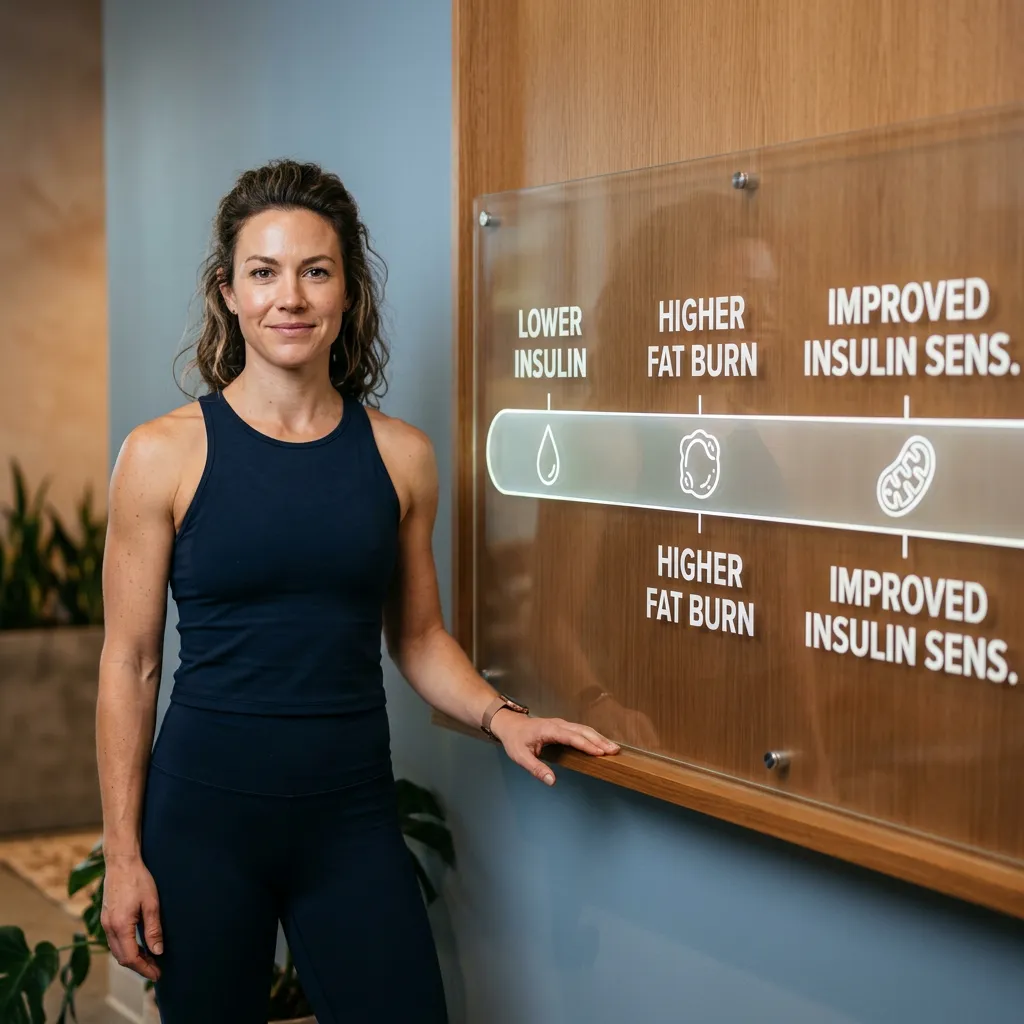
Intermittent fasting attempts to change this environment by extending the time between periods of food intake. Every meal—particularly one containing digestible carbohydrate—stimulates insulin secretion. When eating occurs across most of the waking day, insulin may remain elevated for much of that period. A longer overnight fast gives insulin more time to decline, allowing the body to release stored fatty acids and transition away from continuous glucose storage and use.
The term intermittent fasting describes several different approaches. Time-restricted eating confines food intake to a consistent daily window, such as 8 or 10 hours. Alternate-day fasting alternates fasting or very-low-calorie days with regular eating days, while the 5:2 method restricts intake on two days of the week. These strategies do not produce identical metabolic effects, and their safety and practicality differ considerably.
Human research suggests that intermittent fasting can reduce fasting insulin, improve HOMA-IR and support better glucose regulation in some people. A 2025 systematic review and meta-analysis reported improvements in fasting glucose, A1c and measures of insulin resistance, although the included studies used different fasting protocols and populations. A controlled trial of early time-restricted eating in men with prediabetes also found improved insulin sensitivity even without weight loss, suggesting that meal timing may influence metabolism independently of calorie reduction.
The broader evidence is more nuanced. Intermittent fasting often causes people to eat fewer calories and lose weight, both of which can reduce liver fat and improve insulin sensitivity. When fasting is compared with continuous calorie restriction, the metabolic benefits are frequently similar rather than clearly superior. A large 2025 review of randomized trials concluded that intermittent-fasting strategies generally produce benefits comparable to conventional calorie restriction.
Timing may also matter. Eating earlier in the day may align more closely with circadian patterns in insulin sensitivity, while consuming most calories late at night may produce a different response even when the fasting window is identical. The quality and quantity of food consumed inside the eating window remain equally important; fasting for 16 hours does not automatically neutralize repeated overeating or a diet dominated by refined carbohydrates.
Intermittent fasting is therefore best understood as a metabolic tool, not a cure for insulin resistance. Its effectiveness depends on the fasting method, meal timing, food quality, body composition, sleep, physical activity and the cause of the person’s insulin resistance. It may also require medication adjustment in people using insulin, sulfonylureas or other treatments that can cause hypoglycemia.
In this article, we will examine how fasting affects insulin signaling, liver glucose production, fat metabolism and metabolic flexibility. We will also explore which fasting methods have the strongest evidence, whether benefits occur independently of weight loss, what laboratory markers can track progress and who should avoid fasting without medical supervision.
🎧 Listen to the Episode: Can Intermittent Fasting Reverse Insulin Resistance?
Insulin resistance can develop for years before fasting glucose or HbA1c becomes abnormal. During that hidden period, the pancreas may simply produce more insulin to keep glucose looking normal.
In this episode of The Health Pulse, we explore what happens when you extend the time between meals, from declining insulin and glycogen use to fat mobilization, ketone production, and metabolic flexibility. We also examine early time-restricted eating, circadian rhythm, autophagy, muscle preservation, and fasting insulin to separate the measurable benefits of intermittent fasting from the hype surrounding it.
▶️ Click play below to listen, or keep reading to discover how meal timing may influence insulin resistance—and why when you eat can sometimes matter alongside what you eat.
What Is Insulin Resistance?
Insulin resistance occurs when the body’s tissues become less responsive to insulin. The pancreas must then release more of the hormone to produce the same effect on glucose regulation, fat storage and energy use.
Insulin is often described only as the hormone that lowers blood sugar, but its role is broader. After a meal, insulin helps skeletal muscle take up glucose, signals the liver to reduce glucose production, promotes the storage of excess energy and suppresses the release of fatty acids from adipose tissue.
Skeletal muscle is responsible for much of the glucose disposal that occurs after eating. When muscle becomes insulin resistant, glucose uptake is reduced and the pancreas compensates with a larger insulin response. Physical inactivity, low muscle mass and fat accumulation within muscle can all reduce this glucose-disposal capacity.
In the liver, insulin normally suppresses the production and release of glucose. With hepatic insulin resistance, the liver may continue releasing glucose even though insulin is already elevated. This contributes to rising fasting glucose, particularly during the overnight and early-morning hours.
Liver insulin resistance is often partial rather than complete. Insulin may become less effective at suppressing glucose production while continuing to promote the creation and storage of fat. This helps explain why high fasting glucose, fatty liver and elevated triglycerides frequently appear together.
Adipose tissue also plays an active role. Insulin normally restrains the release of stored fatty acids between meals. When fat cells become insulin resistant or exceed their safe storage capacity, more fatty acids enter the circulation and accumulate in the liver, skeletal muscle and pancreas. This ectopic fat can further disrupt insulin signaling and beta-cell function.
During the earliest phase, the pancreas may successfully compensate by producing more insulin. Fasting glucose and A1c can remain normal even though fasting or post-meal insulin is already elevated. This is known as normoglycemic hyperinsulinemia and may persist for years before prediabetes becomes visible through conventional glucose testing.
As insulin resistance progresses, pancreatic compensation becomes insufficient. Post-meal glucose rises first in some people, while fasting glucose rises earlier in others. Continued metabolic stress can eventually impair beta-cell function, producing the combination of hyperglycemia and declining insulin capacity seen in more advanced type 2 diabetes.
Insulin resistance is not caused exclusively by excess body weight. Visceral and ectopic fat are important drivers, but lean individuals can also develop it because of low muscle mass, fatty liver, genetics, lipodystrophy, poor sleep, chronic stress, hormonal disorders, medications or a low personal threshold for storing fat safely.
Intermittent fasting may influence several parts of this process. By extending the period without food, it reduces meal-stimulated insulin secretion, allows greater release of stored fat and may decrease the amount of energy entering the liver. Whether those temporary changes create lasting improvements depends on what happens across the entire day and whether liver, muscle and adipose-tissue function actually improve.
Key takeaway: Insulin resistance is a whole-body problem involving muscle, liver, adipose tissue and the pancreas. Glucose may remain normal at first because the pancreas compensates with higher insulin, creating an early stage that routine glucose testing can miss.
What Happens During a Fast?
The metabolic effects of fasting begin when the body is no longer absorbing nutrients from a recent meal. Insulin gradually declines, glucagon becomes more influential and stored energy begins supplying a greater portion of the body’s needs.
Immediately after eating, the body is in the fed state. Glucose and amino acids stimulate insulin secretion, which promotes glucose uptake and energy storage. The liver replenishes glycogen, adipose tissue stores fatty acids and the release of previously stored fat is suppressed.
As the interval after the meal increases, circulating glucose and insulin begin to fall. The liver releases glucose from glycogen to maintain blood glucose between meals. This process allows the brain, red blood cells and other glucose-dependent tissues to continue receiving fuel without another intake of food.
As liver glycogen becomes less available and insulin remains low, adipose tissue releases more fatty acids. Skeletal muscle and other organs can oxidize these fatty acids for energy. The liver also converts some fatty acids into ketone bodies, including beta-hydroxybutyrate, which can be used by the brain, heart and other tissues.
This shift between glucose and fat use is called metabolic flexibility. A metabolically healthy person can move between the fed and fasted states without extreme hunger, large glucose fluctuations or prolonged fatigue. Hyperinsulinemia can make this transition more difficult because elevated insulin continues suppressing lipolysis and ketone production.
Fasting temporarily reduces the demand for insulin because no dietary glucose is entering the circulation. It may also lower the amount of energy delivered to the liver, giving hepatic glycogen and fat stores an opportunity to decline. As liver fat decreases, insulin may become more effective at suppressing inappropriate glucose production.
However, a low insulin concentration during a fast does not automatically mean insulin resistance has been reversed. Insulin naturally declines whenever food is withheld. The more meaningful question is whether fasting and post-meal insulin responses improve after the person returns to normal eating.
Weight loss can strengthen the effect. If intermittent fasting creates a sustained reduction in total energy intake, visceral, liver and pancreatic fat may decrease. These longer-term changes can improve insulin sensitivity beyond the temporary reduction in insulin that occurs during each fasting period.
Fasting duration influences the metabolic response, but longer is not necessarily better. A 12- to 14-hour overnight fast may provide a meaningful break from continual food intake, while longer fasting periods produce greater reliance on fatty acids and ketones. Prolonged fasting also creates a greater risk of inadequate protein intake, muscle loss, dehydration, electrolyte disturbances and medication-related hypoglycemia.
Autophagy is frequently presented as a major benefit of fasting. Cells do increase recycling and stress-response pathways when nutrients are scarce, but the exact fasting duration required to produce clinically meaningful autophagy in humans is not established. Autophagy should not be used to justify increasingly prolonged fasts without considering nutritional and medical risks.
The objective is not to remain in a fasted state indefinitely. It is to restore a healthy alternation between nutrient storage after eating and access to stored energy between meals.
Key takeaway: Fasting lowers insulin, increases access to stored fat and may improve metabolic flexibility. Lasting improvement in insulin resistance depends on whether these fasting periods ultimately reduce liver fat, improve tissue responsiveness and lower the insulin required to manage meals.
What Human Research Shows
Clinical studies generally show that intermittent fasting can improve markers associated with insulin resistance, but the size of the benefit varies considerably. The fasting method, eating-window timing, study duration, baseline metabolic health and amount of weight lost all influence the result.
A 2025 systematic review and meta-analysis found that intermittent-fasting interventions improved fasting glucose, A1c and HOMA-IR across adults with metabolic disorders. These findings support fasting as a potentially useful strategy, but the studies combined different protocols, including time-restricted eating, alternate-day fasting and modified fasting days.
Time-restricted eating is among the most studied and practical forms. In a 2024 randomized clinical trial, adults with metabolic syndrome limited food intake to a personalized 8- to 10-hour daily window. After three months, they experienced modest improvements in glycemic regulation in addition to the effects of standard nutritional counseling and medical treatment.
Evidence also suggests that meal timing may influence insulin sensitivity independently of weight loss. In a controlled crossover study, men with prediabetes ate within a six-hour window and finished their final meal before 3 p.m. After five weeks, early time-restricted eating improved insulin sensitivity and beta-cell responsiveness despite the researchers maintaining the participants’ body weight.
This finding is biologically plausible because insulin sensitivity and glucose tolerance generally decline later in the day. Eating more calories earlier may align nutrient intake with circadian rhythms governing insulin secretion, skeletal-muscle glucose uptake and liver metabolism. An eating window from 8 a.m. to 4 p.m. may therefore produce a different response from an equally long window extending from noon to 8 p.m.
However, not every trial finds benefits independent of weight loss. In many studies, intermittent fasting causes participants to consume fewer calories without counting them. Reduced energy intake leads to weight loss and decreases in visceral and liver fat, making it difficult to determine how much improvement came from the fasting interval itself.
When intermittent fasting is directly compared with daily calorie restriction, the results are usually similar. A large 2025 network meta-analysis of randomized clinical trials found that intermittent-fasting strategies generally produced weight and cardiometabolic outcomes comparable to continuous energy restriction. Alternate-day fasting showed small advantages in some comparisons, but the differences were not large enough to establish fasting as universally superior.
This does not mean intermittent fasting has no value. A strategy can be effective without being physiologically unique. Some people find it easier to limit when they eat than to calculate calories at every meal. For them, fasting may improve adherence and create a sustainable energy deficit. Others experience intense hunger, sleep disruption or overeating during the feeding window and may do better with a different approach.
Results in type 2 diabetes are encouraging but require greater caution. Studies have shown that time-restricted eating can reduce weight, A1c and average glucose in some adults with type 2 diabetes. Medication adjustments and close monitoring are often part of these protocols, making it inappropriate to assume that the same approach is automatically safe without clinical supervision.
Most fasting trials remain relatively short, and researchers use inconsistent definitions of intermittent fasting. Long-term adherence, preservation of muscle mass and durability of improved insulin sensitivity require further study.
Key takeaway: Intermittent fasting can improve insulin resistance and glucose regulation, particularly when it reduces weight and liver fat. Early meal timing may provide additional benefits, but fasting is usually comparable—not clearly superior—to other sustainable methods of reducing excess energy intake.
Which Fasting Method Works Best?
Intermittent fasting is an umbrella term rather than one standardized intervention. Different methods create different fasting durations, nutritional demands and safety concerns. The best approach is usually the least restrictive method that produces measurable improvement and can be maintained.
Time-restricted eating is the simplest starting point for many people. Food is consumed within a consistent daily window, while water and other noncaloric beverages are consumed during the fasting period. Common approaches include 12:12, 14:10 and 16:8, with the first number representing fasting hours and the second representing the eating window.
A 12-hour overnight fast may be enough to eliminate late-night eating and continuous snacking. For example, finishing dinner at 7 p.m. and eating breakfast at 7 a.m. creates a meaningful fasting interval without severely restricting the time available to meet protein and micronutrient needs.
A 14- or 16-hour fast creates a longer period of low meal-stimulated insulin. This may be useful for people with hyperinsulinemia, fatty liver or difficulty accessing stored fat, but a shorter eating window does not guarantee a better metabolic response. Food quality and total intake during the remaining hours still determine much of the outcome.
Early time-restricted eating may have a physiological advantage over delaying all food until later in the day. Eating breakfast and lunch with an earlier dinner generally aligns better with circadian insulin sensitivity than skipping breakfast and consuming a large meal late at night. This does not mean everyone must finish eating by midafternoon, but moving the final meal earlier may be more metabolically favorable than extending it toward bedtime.
The 5:2 method allows usual eating on five days of the week and substantially reduces calorie intake on two nonconsecutive days. This approach can lower weekly energy intake without requiring daily fasting, although the very-low-calorie days may produce hunger, headaches, irritability or reduced exercise performance.
Alternate-day fasting alternates between normal eating days and fasting or very-low-calorie days. It can produce weight loss and improve insulin-resistance markers, but it is more restrictive and may be difficult to sustain socially. Some people also compensate by overeating on nonfasting days.
One meal a day creates an eating window of approximately one to two hours. Although this can substantially reduce meal frequency and insulin exposure, fitting sufficient protein, essential nutrients and calories into one meal may be difficult. Large single meals can also produce a greater glucose excursion than dividing the same food into two meals.
Fasts lasting 24 hours or longer produce a deeper shift toward fatty-acid oxidation and ketone production. They may lower glucose and insulin more dramatically during the fast, but evidence that repeated prolonged fasting produces superior long-term improvement is limited. The risks of dehydration, electrolyte imbalance, medication-related hypoglycemia and muscle loss increase as the fast becomes longer.
The eating schedule should also reflect the cause of the person’s insulin resistance. Someone with excess liver and visceral fat may benefit from an approach that produces gradual fat loss. A lean person with low muscle mass may be harmed by aggressive fasting that reduces protein intake and further decreases muscle tissue.
For most people beginning without a clinician-directed protocol, eliminating late-night eating and creating a consistent 12- to 14-hour overnight fast is more reasonable than immediately attempting alternate-day or prolonged fasting. The window can then be adjusted according to hunger, sleep, exercise, laboratory markers and the ability to maintain adequate nutrition.
Key takeaway: Time-restricted eating is generally the most practical fasting method, and earlier eating windows may offer additional metabolic benefits. More restrictive fasting is not automatically more effective and carries greater nutritional and medication-related risks.
What You Eat Still Matters
A fasting window determines when food is consumed, but it does not determine the metabolic effect of the food eaten inside that window. Intermittent fasting can reduce meal frequency while leaving the overall dietary pattern unchanged, which may limit improvements in insulin resistance.
Refined carbohydrates and sugar-sweetened beverages create a large and rapid demand for insulin. Consuming them within an eight-hour window may be better than spreading them across sixteen hours, but the pancreas must still manage the same carbohydrate load. Fasting does not erase the glucose and insulin response produced during the eating period.
Some people also compensate for fasting by eating unusually large meals. A narrow eating window can become a cycle of restriction followed by overeating, resulting in little change in total energy intake. A very large meal may produce a higher glucose excursion, greater digestive discomfort and a more prolonged insulin response than two appropriately sized meals.
Protein is particularly important during intermittent fasting. Adequate protein helps maintain skeletal muscle, which is one of the body’s largest sites for glucose disposal. If fasting reduces protein intake and causes muscle loss, short-term weight loss may occur while long-term glucose-handling capacity deteriorates.
This risk is greater in older adults, people with chronic illness and anyone already living with sarcopenia. Protein should be distributed across the available meals in amounts sufficient to stimulate muscle protein synthesis rather than treated as an afterthought once the fasting target has been achieved.
Carbohydrate reduction can complement intermittent fasting by decreasing the amount of dietary glucose requiring insulin-mediated disposal. Eliminating sweetened drinks, refined grains, desserts and frequent high-carbohydrate snacks can lower insulin demand even without a strict ketogenic diet.
A well-formulated low-carbohydrate or ketogenic diet may allow insulin to remain lower during both the eating and fasting periods. As carbohydrate intake falls, hepatic glycogen decreases, lipolysis becomes more accessible and beta-hydroxybutyrate production increases. Some people also experience less hunger, making the fasting interval easier to maintain.
However, combining a very-low-carbohydrate diet with aggressive fasting is not appropriate for everyone. The combination can rapidly lower glucose and blood pressure, requiring medication adjustment. It can also lead to inadequate energy, protein, sodium or fluid intake if the plan is poorly constructed.
Dietary fat should not be viewed as metabolically unlimited simply because it produces a smaller immediate glucose response. Consuming more energy than the body requires can prevent loss of liver and visceral fat, even when insulin remains relatively low. Added fats may also make it easy to consume substantial calories without feeling that a large meal was eaten.
Food quality matters independently of macronutrient ratios. Minimally processed protein sources, nutrient-dense foods and sufficient minerals are preferable to constructing the eating window around processed “keto” products, refined oils or low-quality convenience foods. The objective is improved metabolic physiology, not simply completion of a fasting clock.
Alcohol can interfere with the process by adding energy, disrupting sleep, altering liver metabolism and increasing appetite. It may also create unpredictable glucose responses in people taking diabetes medication, particularly when consumed without food.
A successful fasting plan should improve satiety, energy, glucose regulation and dietary consistency. If it produces persistent hunger, binge eating, declining strength or an obsession with extending the fasting period, the structure is not improving metabolic health.
Key takeaway: Intermittent fasting works best when the eating window contains adequate protein and nutrient-dense foods while limiting refined carbohydrates and excess energy. A shorter eating window cannot compensate for poor food quality, chronic overeating or loss of skeletal muscle.
Fasting, Exercise and Muscle
Intermittent fasting can reduce insulin exposure, but skeletal muscle determines how effectively the body disposes of glucose after eating. A fasting plan that lowers body weight while sacrificing muscle may improve the scale without fully correcting the underlying metabolic problem.
Muscle contraction stimulates glucose uptake through pathways that are partly independent of insulin. This means active muscle can remove glucose from circulation even when insulin signaling is impaired. Over time, regular exercise also increases insulin-receptor signaling, mitochondrial capacity and the muscle’s ability to store glycogen.
Resistance training is especially important because it preserves or increases the amount of tissue available for glucose disposal. Squats, presses, rows, resistance bands and progressively loaded bodyweight exercises can all contribute when performed at an appropriate intensity.
Aerobic activity improves insulin sensitivity through a different but complementary pathway. Walking, cycling, swimming and similar activities increase energy use and encourage fatty-acid oxidation. Combining aerobic exercise with resistance training generally provides a more complete metabolic benefit than relying on either alone.
Walking after meals can be particularly useful. Contracting muscle begins using circulating glucose at the time it is entering the bloodstream, which may reduce the height and duration of the post-meal glucose response. Even a brief walk can be more metabolically useful than remaining seated immediately after eating.
Fasted exercise is often promoted as a superior way to burn fat. Exercising without a recent meal does increase the proportion of energy derived from stored fat during that session. However, greater fat oxidation during one workout does not necessarily produce greater total fat loss over weeks or months. Overall energy balance, training quality and dietary adherence remain more important.
Some people feel alert and perform well during fasted walking or moderate aerobic activity. Others experience weakness, dizziness or reduced intensity. High-volume resistance training, sprinting and prolonged endurance exercise may be harder to perform after an extended fast because glycogen availability and hydration can become limiting.
The timing of protein deserves attention. Exercising near the end of the fast can work well when a protein-rich meal follows within the eating window. Consistently training hard and then remaining without protein for many additional hours may make recovery and muscle preservation more difficult.
Older adults and people with low muscle mass should be especially cautious about narrow eating windows. They may need several protein-containing meals to stimulate muscle protein synthesis adequately. A two-meal structure may be more appropriate than one meal a day, even if the longer fast produces lower glucose readings.
Hydration and sodium can also affect exercise tolerance. Lower insulin levels increase sodium and water excretion, and sweating adds further losses. Headaches, fatigue and lightheadedness during fasting are not always evidence of “detoxification”; they may indicate inadequate fluid, sodium or energy intake.
Progress should be assessed through more than body weight. Strength, waist circumference, glucose patterns, fasting insulin and body composition can help distinguish productive fat loss from loss of lean tissue.
Key takeaway: Exercise improves insulin sensitivity directly, while resistance training preserves the muscle needed for glucose disposal. Fasting should be organized around—not allowed to undermine—training quality, protein intake, hydration and muscle preservation.
Who Should Be Cautious?
Intermittent fasting is not equally safe for everyone. The greatest risks occur when food restriction changes glucose faster than medication can be adjusted or when the fasting period prevents someone from meeting essential energy, protein and fluid requirements.
Insulin and sulfonylureas can continue lowering glucose even when no food is being consumed. According to the 2026 American Diabetes Association Standards of Care, these medications are among the principal causes of treatment-related hypoglycemia. Beginning a fasting plan without adjusting the dose or timing can lead to dangerously low glucose.
Symptoms of hypoglycemia may include shaking, sweating, intense hunger, dizziness, confusion, weakness, visual changes or a rapid heartbeat. Severe hypoglycemia can cause loss of consciousness or seizures. A fasting target should always be abandoned when continuing it becomes unsafe.
SGLT2 inhibitors require a different kind of caution. Medications such as empagliflozin, dapagliflozin and canagliflozin increase urinary glucose loss and can promote ketone production. Combining them with prolonged fasting, severe carbohydrate restriction, dehydration or an abrupt reduction in insulin may increase the risk of euglycemic diabetic ketoacidosis.
In euglycemic ketoacidosis, glucose may not be dramatically elevated, which can delay recognition. Nausea, vomiting, abdominal pain, rapid breathing, severe weakness, dehydration or confusion require urgent medical evaluation. The FDA prescribing information for dapagliflozin identifies reduced caloric intake and inadequate insulin as conditions that can precipitate ketoacidosis.
People with type 1 diabetes should not attempt fasting independently. Their safety depends on balancing basal insulin, glucose, ketones, activity and food intake. Reducing insulin too aggressively to avoid hypoglycemia can allow ketones to rise toward ketoacidosis, while taking the usual dose without food can produce hypoglycemia.
Pregnancy and breastfeeding increase nutritional requirements and change glucose regulation. Fasting for weight loss or insulin resistance should not be initiated during these periods without guidance from the obstetric and nutrition teams.
Children and adolescents are still growing and generally should not follow restrictive fasting plans unless prescribed for a specific clinical reason. Older adults, people with frailty and those with low muscle mass also require caution because prolonged fasting can accelerate loss of strength and lean tissue.
A current or previous eating disorder is another major concern. Rigid eating windows can reinforce restriction, bingeing and obsessive food behaviors even when fasting is presented as a metabolic intervention. Psychological safety is part of metabolic health.
People with significant kidney, liver, pancreatic or gallbladder disease may require individualized nutrition and medication planning. The same applies to anyone recovering from surgery, experiencing an acute infection, undergoing cancer treatment or living with unintended weight loss.
Fasting should be stopped during vomiting, diarrhea, fever or another illness that compromises hydration and food intake. Continuing a planned fast during an unplanned medical stress can increase dehydration, acute kidney injury and medication complications.
For people using glucose-lowering medication, a clinician-directed plan should establish when to test glucose, when to check ketones, how medications will be adjusted and which results require breaking the fast. Continuous glucose monitoring can provide useful feedback, but alarms and symptoms should never be ignored merely to complete the fasting window.
Key takeaway: Intermittent fasting can become dangerous when combined with insulin, sulfonylureas, SGLT2 inhibitors, type 1 diabetes, inadequate nutrition or significant illness. Medication and monitoring plans should be adjusted before fasting begins—not after hypoglycemia or ketoacidosis develops.
How Lab Testing Tracks Progress
The metabolic effect of intermittent fasting should be measured through more than body weight or a single glucose reading. A person can lose weight without substantially improving insulin sensitivity, while another may improve fasting insulin and liver fat before the scale changes considerably.
Fasting glucose is useful, but it may remain normal during early insulin resistance because the pancreas is compensating with additional insulin. Measuring fasting insulin alongside glucose provides more information about the hormonal effort required to maintain that glucose level.
These two measurements can be combined to estimate insulin resistance using HOMA-IR:
A declining HOMA-IR may suggest improved fasting insulin sensitivity, particularly when both glucose and insulin are stable or improving. There is no universal HOMA-IR cutoff that applies to every population, and differences between insulin assays can affect the result. Trends should be compared using the same laboratory and similar fasting conditions whenever possible.
A1c estimates average glucose exposure over approximately two to three months. It is useful for tracking prediabetes and type 2 diabetes, but it may change slowly and can miss improvements in post-meal variability. Anemia, iron deficiency, kidney disease, recent blood loss and altered red blood cell survival can also make A1c less reliable.
Continuous glucose monitoring can show how meal timing affects daily glucose patterns. It can reveal whether late-night eating produces prolonged elevations, whether walking after meals shortens glucose excursions and whether a narrower eating window improves overnight stability. However, a flat glucose curve does not prove that insulin has normalized.
A lipid panel adds information about liver and adipose-tissue metabolism. Falling triglycerides and an improving triglyceride-to-HDL ratio may accompany reduced liver fat and better insulin sensitivity. ApoB can provide additional cardiovascular context by estimating the total number of atherogenic lipoprotein particles.
A comprehensive metabolic panel helps monitor glucose, electrolytes, kidney function and liver-related markers. Sodium, potassium and bicarbonate deserve attention when fasting is combined with carbohydrate restriction, diuretics or heavy exercise. AST, ALT and GGT may improve as liver fat declines, although normal enzymes do not exclude metabolic fatty liver disease.
C-peptide may be useful in people with established diabetes when there is uncertainty about endogenous insulin production. It can help distinguish severe insulin resistance with substantial pancreatic insulin output from declining beta-cell capacity. The result must be interpreted alongside the glucose concentration and kidney function.
Beta-hydroxybutyrate can confirm that the body has shifted toward greater ketone production during fasting. A higher BHB concentration shows increased reliance on fat-derived fuel, but it does not independently prove that insulin resistance has reversed. Ketones should never be pursued at the expense of adequate nutrition or medication safety.
Body composition, waist circumference and strength provide information laboratory values cannot. A lower fasting insulin accompanied by reduced waist circumference and maintained strength is more reassuring than a lower insulin result occurring alongside unintended weight and muscle loss.
Baseline testing should ideally be performed before the fasting plan begins, with repeat testing after enough time has passed to measure a stable response. A1c generally requires several months, while fasting glucose, insulin, triglycerides and liver markers may change sooner.
QuickLab Mobile offers at-home blood collection in Miami for fasting glucose, fasting insulin, A1c, C-peptide, comprehensive metabolic panels, lipid testing, ApoB and other cardiometabolic markers. At-home collection can make fasting tests easier to complete under consistent conditions without eating before traveling to a laboratory.
Key takeaway: The best evidence of improved insulin resistance is a favorable trend across fasting insulin, glucose, HOMA-IR, A1c, triglycerides, liver markers, waist circumference and strength. No single measurement should determine whether intermittent fasting is working.
Conclusion
Intermittent fasting can reduce insulin resistance, but its effects depend on how the strategy changes the person’s overall metabolic environment. Extending the interval between meals lowers meal-stimulated insulin, allows greater access to stored fat and may improve the transition between glucose and fatty-acid metabolism.
The strongest and most consistent benefits occur when fasting helps reduce excess energy intake, visceral fat and liver fat while preserving skeletal muscle. Improvements in insulin sensitivity may also occur independently of weight loss, particularly when food intake is shifted earlier in the day and aligned more closely with circadian metabolism. However, these weight-independent effects require further long-term study.
Intermittent fasting is generally not superior to every other dietary strategy. Clinical trials often find results comparable to continuous calorie restriction. Its practical advantage is that some people find controlling when they eat easier than counting calories or measuring every portion.
The eating window still matters as much as the fasting window. Adequate protein, nutrient-dense foods, resistance training and limited intake of refined carbohydrates help ensure that weight loss comes primarily from fat rather than muscle. A narrow eating window filled with excessive energy or highly processed food is unlikely to correct the underlying insulin resistance.
More fasting is not necessarily better. A consistent 12- to 14-hour overnight fast, elimination of late-night eating and fewer unnecessary snacks may provide a realistic starting point. Longer fasting periods should be considered according to the person’s metabolic condition, nutritional status, exercise demands and ability to maintain the approach safely.
People taking insulin, sulfonylureas or SGLT2 inhibitors should establish a medication and monitoring plan with their healthcare professional before fasting. Type 1 diabetes, pregnancy, eating disorders, frailty and significant kidney, liver or pancreatic disease also require individualized medical guidance.
Progress should be confirmed rather than assumed. Fasting glucose, insulin, HOMA-IR, A1c, triglycerides, liver markers, waist circumference and strength can show whether the intervention is improving insulin sensitivity without causing muscle loss or nutritional harm.
QuickLab Mobile provides convenient at-home blood collection in Miami for fasting insulin, glucose, A1c, C-peptide, comprehensive metabolic panels, lipid testing, ApoB and other markers used to assess metabolic health. Testing can help determine whether intermittent fasting is producing meaningful physiological improvement rather than simply creating a longer period without food.
👉 Need a specimen collection?. Book Now
Disclaimer:
The information provided in this blog, podcast, and associated content is for educational and informational purposes only and is not intended as a substitute for professional medical advice, diagnosis, or treatment. The content shared is based on reputable sources, medical literature, and expert insights, but it should not be used as a replacement for direct consultation with a licensed healthcare provider.
No Doctor-Patient Relationship: Engaging with this content does not create a doctor-patient relationship between you and QuickLabMobile or any contributors. Always consult with a qualified physician, specialist, or healthcare professional before making any medical decisions, changing your treatment plan, or starting/stopping any medications.
Not a Substitute for Medical Advice: While we strive to provide accurate and up-to-date information, medicine is constantly evolving. New research, treatments, and medical recommendations may emerge, and individual health conditions can vary. Do not rely solely on this content for health decisions. If you are experiencing symptoms, have concerns about your health, or require medical assistance, seek immediate care from a licensed medical professional.
Emergency Situations: If you are experiencing a medical emergency, such as difficulty breathing, chest pain, signs of a stroke, or any other life-threatening condition, call 911 (or your local emergency services) immediately. Do not delay seeking emergency care based on information provided here.
Liability Disclaimer: QuickLabMobile, its contributors, and any associated entities do not assume liability for any damages, harm, or adverse outcomes resulting from the use, interpretation, or misuse of the information provided in this content. You are responsible for your own healthcare decisions and should always verify information with a trusted medical professional.
External Links & References: This content may include links to external sources, medical studies, or third-party websites for further reading. These links are provided for convenience and informational purposes only. QuickLabMobile does not endorse, control, or take responsibility for the accuracy of external content. Always verify information with authoritative sources such as the CDC, NIH, WHO.
Final Note: Your health is unique, and what works for one person may not be suitable for another. Stay informed, ask questions, and always prioritize professional medical guidance