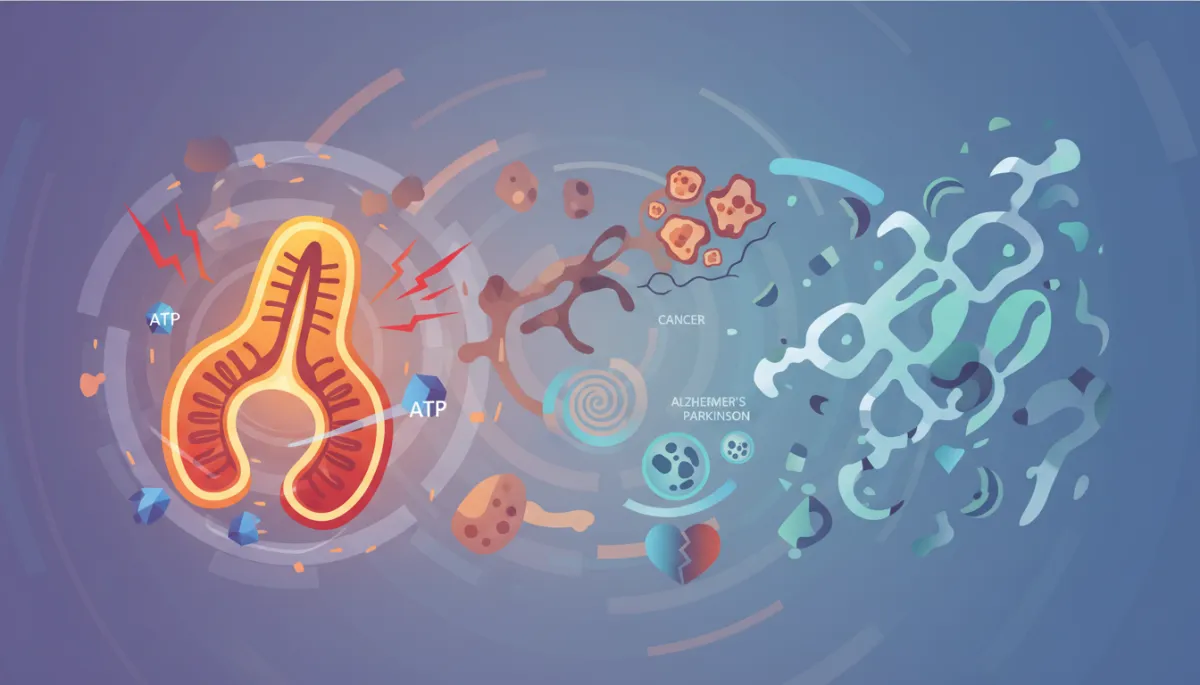
Mitochondrial Dysfunction and Chronic Disease
Introduction
Every second of every day, trillions of cells throughout the body are producing energy to sustain life. Whether your heart is beating, your muscles are contracting, your brain is forming memories, or your immune system is responding to an infection, every biological process depends on a continuous supply of energy.
At the center of this process are the mitochondria.
Often referred to as the "powerhouses of the cell," mitochondria are far more than microscopic energy factories. They regulate how nutrients are converted into ATP, the molecule that powers nearly every cellular function. They also influence oxidative stress, inflammation, cell signaling, calcium balance, and even determine whether a damaged cell survives or undergoes programmed cell death.
Because mitochondria are involved in so many essential processes, it is not surprising that mitochondrial dysfunction has been implicated in a growing number of chronic diseases. Researchers have identified abnormalities in mitochondrial function in conditions ranging from type 2 diabetes and fatty liver disease to heart failure, Alzheimer's disease, Parkinson's disease, autoimmune disorders, and cancer.
This does not mean that mitochondrial dysfunction is always the primary cause of these diseases. In many cases, it is likely one piece of a much larger puzzle. However, it has become increasingly clear that when cells cannot produce energy efficiently, virtually every organ system can be affected.
Understanding mitochondrial biology offers a different way of thinking about chronic disease. Rather than viewing these conditions as isolated disorders affecting separate organs, it suggests that many may share a common feature: impaired cellular energy metabolism.
In this article, we'll explore what mitochondria do, why they are so important for human health, how mitochondrial dysfunction develops, and why preserving mitochondrial function may be one of the most important goals in preventive medicine.
🎧 Listen to the Episode: The Cellular Energy Crisis Behind Chronic Disease
Your body doesn't function as isolated organs—it functions as an interconnected energy network.
In this episode of The Health Pulse, we explore how mitochondrial dysfunction links metabolic disease, chronic fatigue, cognitive decline, cardiovascular disease, and more, and why supporting your cellular powerhouses may be one of the most important strategies for long-term health.
▶️ Click play below to listen, or keep reading to discover how optimizing mitochondrial health can improve metabolism, resilience, and overall well-being from the inside out.
What Do Mitochondria Actually Do?
Most people learn that mitochondria are the "powerhouses of the cell," but that description barely scratches the surface.
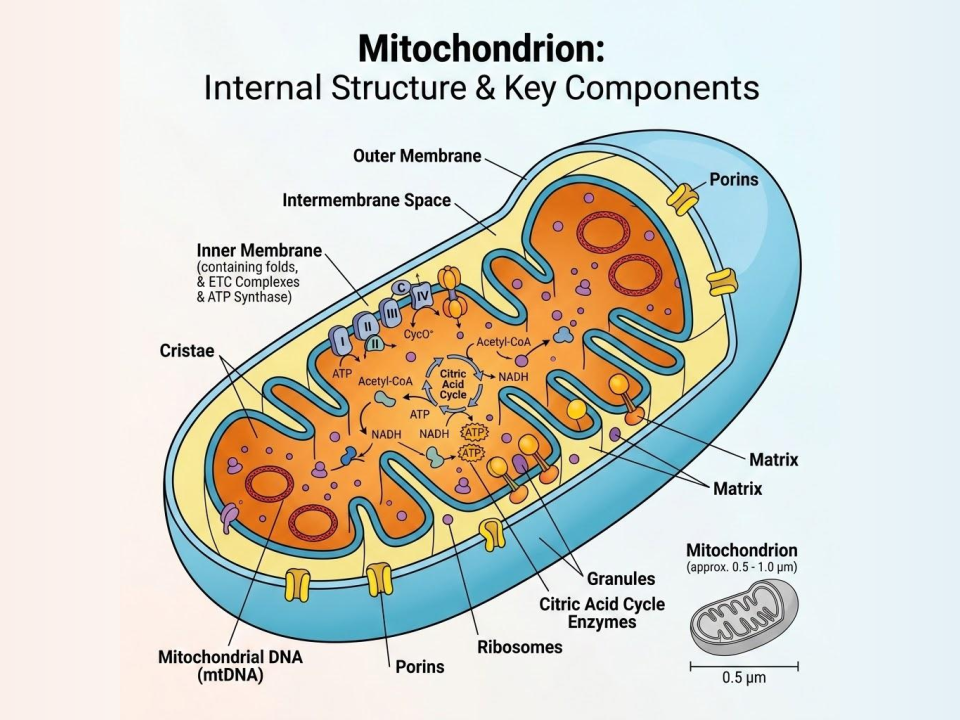
Their primary role is to convert the energy contained in carbohydrates, fats, and, to a lesser extent, amino acids into ATP (adenosine triphosphate), the molecule that powers nearly every cellular process. This occurs through a highly coordinated series of reactions involving the citric acid cycle and the electron transport chain.
Without ATP, cells cannot:
Contract muscles
Generate nerve impulses
Synthesize proteins
Repair damaged tissues
Transport nutrients across membranes
Maintain normal organ function
But energy production is only part of the story.
Mitochondria are also metabolic sensors. They continuously monitor nutrient availability and adjust cellular metabolism according to the body's energy demands.
Beyond ATP production, mitochondria regulate:
Reactive oxygen species (ROS) signaling
Calcium homeostasis
Cellular stress responses
Fatty acid oxidation
Heat production in certain tissues
Programmed cell death (apoptosis)
These functions allow mitochondria to determine not only how much energy a cell produces, but also how that cell responds to injury, infection, nutrient excess, or environmental stress.
Another remarkable feature is that mitochondria are highly dynamic. They constantly divide, fuse together, move within cells, and recycle damaged components through a quality-control process known as mitophagy. This continuous remodeling allows cells to maintain a healthy population of mitochondria despite constant metabolic demands.
Because every organ relies on ATP, tissues with the highest energy requirements are often the first to suffer when mitochondrial function declines. This includes the brain, heart, skeletal muscle, liver, kidneys, and immune system.
The key point is that mitochondria are far more than cellular power plants. They act as metabolic control centers, integrating energy production with many of the processes required to keep cells healthy and resilient.
How Mitochondria Produce Energy
To understand why mitochondria are so important, it helps to follow the journey of the food we eat.
Carbohydrates are broken down into glucose, fats into fatty acids, and proteins into amino acids. These nutrients are processed through different metabolic pathways, but they eventually converge on a common destination inside the mitochondria.
There, they are converted into a molecule called acetyl-CoA, which enters the citric acid cycle (also known as the Krebs cycle). This cycle extracts high-energy electrons and transfers them to two important molecules: NADH and FADH₂.
These electron carriers then deliver their electrons to the electron transport chain, a series of protein complexes embedded within the inner mitochondrial membrane.
As electrons move through these complexes, their energy is used to pump hydrogen ions (protons) from the mitochondrial matrix into the space between the inner and outer mitochondrial membranes. This creates an electrochemical gradient, much like water accumulating behind a dam.
The stored energy in this proton gradient is then released as protons flow back through an enzyme called ATP synthase. As ATP synthase spins, it combines ADP and phosphate to produce ATP, the universal energy currency of the cell.
This process, known as oxidative phosphorylation, is remarkably efficient. A single glucose molecule can ultimately generate more than 30 molecules of ATP, while fatty acids can produce even larger amounts because they contain more stored chemical energy.
The electron transport chain is not perfectly efficient, however. A small percentage of electrons escape before completing the process, forming reactive oxygen species (ROS). Although ROS are often portrayed as harmful, they are also essential signaling molecules that help cells adapt to stress and regulate normal physiology.
Problems arise only when ROS production overwhelms the body's antioxidant defenses. Excessive oxidative stress can damage proteins, lipids, DNA, and the mitochondria themselves, gradually impairing their ability to produce energy.
The key point is that mitochondria do far more than generate ATP. They convert nutrients into usable energy through one of the most sophisticated biochemical systems in the human body, while simultaneously regulating many of the signaling pathways that determine cellular health and survival.
What Causes Mitochondrial Dysfunction?
Mitochondria are remarkably adaptable, but they are not indestructible. Over time, chronic metabolic stress can impair their ability to produce energy efficiently and maintain normal cellular function.
One of the most important drivers is nutrient excess.
When the body is continuously exposed to more energy than it can efficiently use, mitochondria are forced to process an enormous number of electrons through the electron transport chain. This increases the likelihood of electron leakage and excessive reactive oxygen species production. Initially, cells compensate by increasing antioxidant defenses, but persistent overload can eventually damage mitochondrial proteins, lipids, and DNA.
Insulin resistance compounds the problem.
As cells become less responsive to insulin, the normal coordination between glucose and fat metabolism begins to break down. The result is a loss of metabolic flexibility, forcing mitochondria to operate under increasingly abnormal conditions while reducing their efficiency.
Physical inactivity is another major contributor.
Exercise stimulates the formation of new mitochondria through a process called mitochondrial biogenesis. When muscle activity declines, this stimulus is reduced, and both the number and quality of mitochondria gradually decrease. Since skeletal muscle is one of the body's largest consumers of energy, this decline has consequences that extend far beyond exercise performance.
Chronic inflammation also interferes with mitochondrial health. Inflammatory cytokines can impair oxidative phosphorylation, increase oxidative stress, and disrupt the normal balance between mitochondrial fusion, fission, and mitophagy. Over time, damaged mitochondria accumulate, further reducing cellular efficiency.
Aging adds another layer of complexity.
As we grow older, mitochondrial DNA accumulates mutations, quality-control mechanisms become less efficient, and the ability to replace damaged mitochondria gradually declines. While aging itself does not inevitably cause disease, it reduces the physiological reserve that allows cells to recover from metabolic stress.
Finally, inadequate sleep, chronic psychological stress, smoking, environmental toxins, and certain medications can all impair mitochondrial function through different mechanisms, often by increasing oxidative stress or disrupting normal energy metabolism.
The important point is that mitochondrial dysfunction rarely develops because of a single factor. It is usually the result of years of cumulative metabolic stress, during which the balance between energy production, repair, and quality control gradually shifts in the wrong direction.
This is why mitochondrial dysfunction appears across so many chronic diseases. Rather than being specific to one organ, it reflects a fundamental disturbance in how cells produce and manage energy.
Why Mitochondrial Dysfunction Appears in So Many Diseases
One of the most fascinating discoveries in modern medicine is that mitochondrial dysfunction is not limited to a single disease. Instead, it appears repeatedly across conditions that affect completely different organs.
At first, this may seem surprising. How can the same cellular abnormality be found in diabetes, heart failure, Alzheimer's disease, Parkinson's disease, cancer, and autoimmune disorders?
The answer lies in a simple principle:
Every cell requires energy.
When mitochondria cannot efficiently generate ATP, the tissues with the highest energy demands are often affected first.
The brain is an excellent example. Neurons have enormous energy requirements and very limited energy reserves. Even modest reductions in ATP production can impair communication between neurons, making the brain particularly vulnerable to neurodegenerative diseases.
The heart faces a similar challenge. It contracts more than 100,000 times each day and depends almost entirely on healthy mitochondria to sustain this continuous workload. In heart failure, researchers have consistently observed impaired mitochondrial function and reduced energy production.
Skeletal muscle is another major consumer of ATP. As mitochondrial function declines, muscles become less efficient at utilizing glucose and fatty acids, contributing to fatigue, reduced exercise capacity, and worsening insulin resistance.
The liver also relies heavily on mitochondria to regulate glucose production, fat oxidation, ketone synthesis, and lipid metabolism. Mitochondrial dysfunction in the liver has been linked to fatty liver disease, metabolic syndrome, and type 2 diabetes.
Even immune cells are metabolically active. Their ability to activate, proliferate, and regulate inflammation depends on continuous energy production. This is one reason mitochondrial dysfunction has become an important area of research in autoimmune diseases such as lupus and rheumatoid arthritis.
Cancer presents an even more complex picture. Many tumors exhibit altered mitochondrial metabolism rather than complete mitochondrial failure, allowing cancer cells to adapt their energy production to support rapid growth and survival.
Although these diseases appear very different clinically, they share a common challenge: maintaining adequate cellular energy under conditions of chronic stress.
The key point is that mitochondria connect organs that are traditionally studied separately. Understanding cellular energy production provides a unifying framework that helps explain why seemingly unrelated chronic diseases often share similar metabolic abnormalities.
Can We Improve Mitochondrial Health?
One of the encouraging aspects of mitochondrial biology is that mitochondria are highly adaptable. Unlike many organs, they continuously respond to changes in the environment, increasing or decreasing their number and function according to the body's metabolic demands.
This adaptability is known as mitochondrial plasticity.
One of the most powerful stimulators of healthy mitochondria is regular physical activity. Exercise increases energy demand, activating signaling pathways such as AMPK and PGC-1α, which promote mitochondrial biogenesis—the creation of new mitochondria. Over time, muscles become more efficient at producing ATP, oxidizing fat, and utilizing glucose.
Nutrition also plays an important role.
Avoiding chronic overnutrition reduces the constant metabolic pressure placed on mitochondria. Periods of lower insulin levels, whether achieved through exercise, time-restricted eating, or well-formulated low-carbohydrate diets, may improve metabolic flexibility and reduce the burden of nutrient overload.
Sleep is another essential component of mitochondrial health. During sleep, cells repair damaged proteins, remove dysfunctional mitochondria through mitophagy, and restore energy balance. Chronic sleep deprivation has been associated with impaired mitochondrial function and increased oxidative stress.
Managing chronic stress is equally important. Persistent activation of stress pathways increases cortisol, sympathetic nervous system activity, and oxidative stress, all of which can interfere with normal mitochondrial function over time.
Researchers are also investigating nutritional compounds that may support mitochondrial function, including:
Creatine
Coenzyme Q10
Alpha-lipoic acid
Acetyl-L-carnitine
While some have shown promise in specific conditions, none should be viewed as a substitute for addressing the underlying lifestyle factors that determine mitochondrial health.
The most effective strategy is not a single supplement or intervention, but creating an environment in which mitochondria can thrive.
Regular exercise, adequate sleep, good nutrition, metabolic health, and avoidance of chronic nutrient excess work together to improve both the quantity and quality of mitochondria throughout the body.
The key point is that mitochondrial health is dynamic. Every day, our lifestyle choices influence how efficiently our cells produce energy, repair themselves, and respond to metabolic stress.
How Lab Testing Can Provide Clues About Mitochondrial Health
There is currently no single blood test that directly measures overall mitochondrial function throughout the body. Because mitochondria are present in nearly every cell, assessing their performance is far more complex than measuring a single laboratory value.
However, several biomarkers can provide insight into the metabolic environment in which mitochondria are operating.
One of the most informative areas is glucose regulation. Chronically elevated fasting insulin, impaired glucose tolerance, and higher HbA1c levels often reflect metabolic conditions that place continuous stress on mitochondrial energy production.
Lipid markers can provide additional clues. Elevated triglycerides, low HDL cholesterol, and increased ApoB frequently accompany insulin resistance and impaired metabolic flexibility, both of which are associated with mitochondrial dysfunction.
Liver enzymes such as ALT and AST may suggest fatty liver disease, a condition characterized by significant alterations in mitochondrial fat oxidation and energy metabolism.
Inflammatory markers, particularly hs-CRP, can help identify chronic low-grade inflammation, which has been shown to impair mitochondrial function and increase oxidative stress.
Nutritional status is equally important. Deficiencies in nutrients involved in mitochondrial energy production—including vitamin B12, iron, magnesium, and vitamin D—may contribute to fatigue and reduced cellular performance, although they represent only one piece of the overall picture.
When interpreted together, these markers can reveal patterns of metabolic dysfunction long before chronic disease becomes clinically apparent.
At QuickLab Mobile, we help patients evaluate these metabolic patterns through comprehensive at-home lab testing in Miami. By assessing insulin regulation, glucose metabolism, lipid profiles, liver function, inflammatory markers, and nutritional status, patients can gain a broader understanding of the physiological environment that supports—or challenges—healthy mitochondrial function.
The goal is not to diagnose mitochondrial dysfunction with a single test, but to identify the metabolic conditions that influence how efficiently the body's cells produce and use energy.
Conclusion
Mitochondria are far more than the "powerhouses of the cell." They are the engines that sustain life, converting nutrients into the energy required for every heartbeat, every thought, every muscle contraction, and every immune response.
As research has advanced, it has become increasingly clear that mitochondrial dysfunction is a common feature of many chronic diseases. From type 2 diabetes and fatty liver disease to heart failure, Alzheimer's disease, autoimmune disorders, and cancer, impaired cellular energy production appears to influence how these conditions develop and progress.
This does not mean that mitochondrial dysfunction is the sole cause of chronic disease. Rather, it represents one of the fundamental biological processes that connects many seemingly unrelated conditions.
The encouraging news is that mitochondria are remarkably adaptable. Regular exercise, adequate sleep, good nutrition, metabolic health, and effective management of chronic stress all influence how efficiently these organelles produce energy and maintain cellular resilience.
Supporting mitochondrial health is therefore about much more than increasing energy levels. It is about creating the metabolic conditions that allow every organ in the body to function at its best.
At QuickLab Mobile, we help patients evaluate key markers of metabolic health through at-home lab testing in Miami, including fasting insulin, glucose regulation, lipid markers, liver function, inflammatory markers, and nutritional assessments. While no single test can measure mitochondrial performance directly, these biomarkers provide valuable insight into the metabolic environment that shapes cellular energy production.
The future of medicine is increasingly recognizing that chronic disease is not simply a problem of individual organs—it is often a problem of cellular energy. Understanding and protecting mitochondrial function may become one of the most important strategies for promoting long-term health and healthy aging.
👉 Book Your Test Now
Disclaimer:
The information provided in this blog, podcast, and associated content is for educational and informational purposes only and is not intended as a substitute for professional medical advice, diagnosis, or treatment. The content shared is based on reputable sources, medical literature, and expert insights, but it should not be used as a replacement for direct consultation with a licensed healthcare provider.
No Doctor-Patient Relationship: Engaging with this content does not create a doctor-patient relationship between you and QuickLabMobile or any contributors. Always consult with a qualified physician, specialist, or healthcare professional before making any medical decisions, changing your treatment plan, or starting/stopping any medications.
Not a Substitute for Medical Advice: While we strive to provide accurate and up-to-date information, medicine is constantly evolving. New research, treatments, and medical recommendations may emerge, and individual health conditions can vary. Do not rely solely on this content for health decisions. If you are experiencing symptoms, have concerns about your health, or require medical assistance, seek immediate care from a licensed medical professional.
Emergency Situations: If you are experiencing a medical emergency, such as difficulty breathing, chest pain, signs of a stroke, or any other life-threatening condition, call 911 (or your local emergency services) immediately. Do not delay seeking emergency care based on information provided here.
Liability Disclaimer: QuickLabMobile, its contributors, and any associated entities do not assume liability for any damages, harm, or adverse outcomes resulting from the use, interpretation, or misuse of the information provided in this content. You are responsible for your own healthcare decisions and should always verify information with a trusted medical professional.
External Links & References: This content may include links to external sources, medical studies, or third-party websites for further reading. These links are provided for convenience and informational purposes only. QuickLabMobile does not endorse, control, or take responsibility for the accuracy of external content. Always verify information with authoritative sources such as the CDC, NIH, WHO.
Final Note: Your health is unique, and what works for one person may not be suitable for another. Stay informed, ask questions, and always prioritize professional medical guidance