Pancreatic Cancer Testing & Early Detection | QuickLab Mobile Miami
Introduction
"Pancreatic cancer is often called a “silent killer” — not because it strikes suddenly, but because it can progress for months or even years without obvious symptoms."
Pancreatic cancer develops when abnormal cells in the pancreas grow uncontrollably, forming tumors that interfere with digestion, blood sugar regulation, and other vital functions. According to the American Cancer Society (ACS), pancreatic cancer accounts for about 3% of all cancers but causes about 7% of cancer-related deaths in the U.S., largely because it is frequently diagnosed at later stages when treatment options are more limited [ACS]
Early detection is crucial, but challenging, since early pancreatic tumors often produce mild, non-specific symptoms—like fatigue, indigestion, or subtle weight loss—that can be mistaken for less serious conditions. However, advances in lab testing, imaging, and genetic screening are improving our ability to identify pancreatic cancer earlier than ever before.
For patients in Miami and surrounding areas, Quick Lab Mobile offers access to essential blood tests that can support early detection, risk monitoring, and ongoing care—without the need to visit a traditional lab.
🎧 Listen to the Episode: Pancreatic Cancer—The Silent Killer You Need to Understand
Pancreatic cancer accounts for just 3% of cancers but 7% of cancer deaths. Why? Because it hides in plain sight until it’s advanced. In this episode of The Health Pulse, we reveal the early clues, the tests that matter, and the emerging treatments offering new hope against one of medicine’s toughest challenges.
▶️ Click play below to listen, or continue reading to explore how recognizing risk factors and subtle symptoms could make the difference between late detection and life-saving intervention.
What Is Pancreatic Cancer?
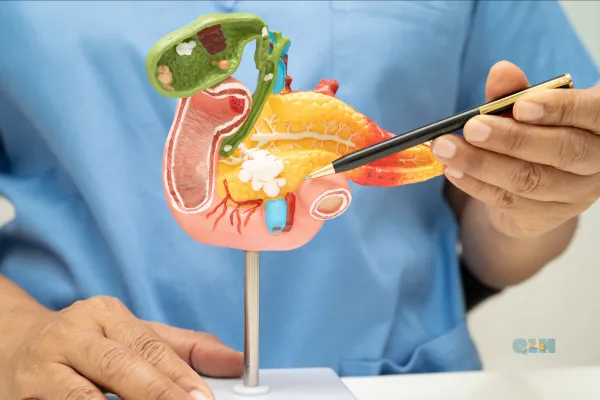
The pancreas is a small but vital organ located behind the stomach that plays a dual role in the body:
It produces digestive enzymes that break down food.
It releases hormones like insulin and glucagon that regulate blood sugar.
Pancreatic cancer develops when normal pancreatic cells undergo genetic mutations, causing them to grow uncontrollably and form tumors. These tumors can interfere with both digestion and glucose metabolism, which is why symptoms often overlap with conditions like diabetes and chronic pancreatitis.
According to the National Cancer Institute (NCI), pancreatic cancer is classified into two major categories based on the cell type affected:
Exocrine pancreatic cancers (about 90-95% of cases): These arise from the cells that produce digestive enzymes. The most common subtype is pancreatic ductal adenocarcinoma (PDAC).
Neuroendocrine tumors (NETs): Much rarer, these originate from hormone-producing cells and tend to grow more slowly but can still be aggressive in advanced stages [NCI].
Because the pancreas is located deep in the abdomen and symptoms appear late, more than half of cases are diagnosed after the cancer has already spread. This makes early detection and regular lab testing critical for at-risk individuals.
Types of Pancreatic Cancer
Pancreatic cancer isn’t a single disease—it includes several subtypes, each with its own behavior, growth rate, and treatment response. Understanding these types helps guide diagnosis and personalized care.
Exocrine Pancreatic Cancers (≈ 90–95% of cases)
These arise from the exocrine cells responsible for producing digestive enzymes.
Pancreatic Ductal Adenocarcinoma (PDAC):
The most common subtype, making up about 85–90% of cases [NCI]. PDAC tends to be aggressive and often detected late due to its deep location and vague symptoms.Acinar Cell Carcinomas:
A rare form, accounting for less than 2% of pancreatic cancers. These can produce excessive digestive enzymes, leading to weight loss, diarrhea, and nutrient deficiencies.Squamous Cell Carcinomas & Mixed Tumors:
Extremely rare, often requiring specialized testing and treatment.
Pancreatic Neuroendocrine Tumors (PNETs) (≈ 5–10% of cases)
These originate from hormone-producing endocrine cells. While generally slower growing than PDAC, some PNETs can be highly aggressive.
PNETs are further classified based on hormone activity:
Functional PNETs: Produce excess hormones, causing symptoms like low blood sugar (insulinomas) or severe diarrhea (VIPomas).
Nonfunctional PNETs: More common and typically silent until they grow large enough to cause obstruction or pain.
Symptoms and Early Warning Signs
Pancreatic cancer is often called a “silent disease” because symptoms rarely appear in its early stages. When they do develop, they’re usually subtle and can mimic other common conditions, which contributes to late detection in most patients.
Early Signs to Watch For
Unexplained weight loss – Often due to impaired digestion or metabolic changes.
Loss of appetite – Tumor-related inflammation can disrupt normal hunger signals.
Fatigue and weakness – Caused by nutrient malabsorption or anemia.
New-onset diabetes – In some cases, pancreatic tumors affect insulin production, leading to sudden blood sugar imbalances [NCI].
Progressive or Advanced Symptoms
Persistent abdominal or back pain – Tumors pressing on nearby nerves and organs.
Jaundice (yellowing of the skin and eyes) – Common when tumors block bile ducts.
Changes in stool – Greasy, pale stools due to reduced pancreatic enzyme secretion.
Nausea and vomiting – Often related to digestive obstruction.
Because these symptoms are non-specific, they’re frequently misattributed to gallstones, gastritis, or diabetes-related issues. This is why lab testing and imaging play such an essential role in early detection.
Risk Factors and Causes
Pancreatic cancer arises from a combination of genetic, metabolic, and lifestyle factors, but no single cause explains all cases. Understanding these risks can help identify people who may benefit from earlier and more frequent screening.
Metabolic and Hormonal Factors
Type 2 Diabetes and Insulin Resistance:
People with long-standing diabetes have an increased risk of pancreatic cancer, possibly due to chronic hyperinsulinemia and inflammation [NCI].Obesity and Visceral Fat:
Excess belly fat drives systemic inflammation and insulin resistance, both linked to higher pancreatic cancer risk.Chronic Pancreatitis:
Repeated inflammation of the pancreas—often from alcohol use, high triglycerides, or gallstones—significantly raises the risk.
Lifestyle-Related Risks
Tobacco Use: Smoking is one of the strongest modifiable risk factors, responsible for about 25% of cases [ACS].
High Sugar and Processed Diets: Diets high in refined carbohydrates and added sugars contribute to insulin resistance and inflammation, indirectly increasing risk.
Heavy Alcohol Consumption: Chronic excessive drinking damages the pancreas and promotes chronic inflammation.
Genetic and Family History Factors
Inherited Gene Mutations: Mutations in BRCA1, BRCA2, PALB2, and ATM genes elevate lifetime risk.
Family History: Having two or more first-degree relatives with pancreatic cancer increases personal risk up to sixfold.
How Pancreatic Cancer Is Diagnosed
Pancreatic cancer is challenging to detect early, but advances in lab testing, imaging, and genetic screening have improved diagnosis significantly. At QuickLab Mobile, we help support this process by offering convenient at-home blood testing in Miami, which can play a role in early detection and monitoring.
Blood Tests and Biomarkers
CA 19-9 (Carbohydrate Antigen 19-9):
Elevated in 70–80% of patients with pancreatic cancer, CA 19-9 is the most commonly used blood marker. While not specific enough for screening, it helps track disease progression and treatment response [NCI].CEA (Carcinoembryonic Antigen):
Another marker that may be elevated, especially in advanced stages.Blood Sugar and Insulin Levels:
Because pancreatic tumors often disrupt glucose metabolism, sudden new-onset diabetes or unexplained blood sugar fluctuations can prompt further testing.
Imaging Studies
CT Scans and MRI: Provide high-resolution images to locate tumors and assess spread.
Endoscopic Ultrasound (EUS): Offers detailed imaging and allows guided biopsy of suspicious areas.
PET Scans: Useful for detecting cancer spread and treatment planning.
Biopsy and Genetic Testing
Fine-Needle Aspiration (FNA): Collects tissue samples for histological confirmation.
Molecular Profiling: Identifies genetic mutations like BRCA1/2, which can influence treatment choices.
At QLM, we provide mobile access to critical lab tests that support early detection and ongoing monitoring — including CA 19-9, fasting glucose, HbA1c, and lipid panels. By offering on-site sample collection, we make cancer-related testing easier and faster for patients at risk.
Treatment Options
Treatment for pancreatic cancer depends on the tumor type, stage, location, and patient health. While this disease is often challenging to treat, advances in surgical techniques, targeted therapies, and metabolic strategies are improving outcomes.
Surgery (Best for Early-Stage Disease)
Whipple Procedure (Pancreaticoduodenectomy):
Removes the head of the pancreas, part of the stomach, small intestine, gallbladder, and bile duct. It’s the most common surgery for tumors in the pancreatic head.Distal Pancreatectomy:
Removes the tail or body of the pancreas, often combined with spleen removal.Total Pancreatectomy:
Rarely used, involves removing the entire pancreas, leading to insulin dependence.
Surgery offers the best chance of long-term survival, but only about 15–20% of patients are eligible because most diagnoses occur at later stages [Johns Hopkins Medicine].
Chemotherapy and Radiation Therapy
Chemotherapy: Drugs like FOLFIRINOX or gemcitabine are used before surgery (neoadjuvant) to shrink tumors or after surgery (adjuvant) to prevent recurrence.
Radiation Therapy: Often combined with chemo to control local tumor growth or relieve symptoms.
Targeted and Immunotherapies
PARP Inhibitors: Used for patients with BRCA1/2 mutations, these drugs interfere with cancer cell DNA repair mechanisms.
Checkpoint Inhibitors: Experimental therapies that enhance the immune system’s ability to attack tumors.
Peptide Receptor Radionuclide Therapy (PRRT): A novel therapy used in some pancreatic neuroendocrine tumors (PNETs).
Emerging Metabolic Approaches
Recent studies, like those from Boston College researcher Dr. Thomas Seyfried, explore how altering cancer cell metabolism—via low-carbohydrate or ketogenic dietary strategies—may enhance traditional treatments. While promising, these remain adjunctive and not standalone therapies [[Seyfried et al., Metabolic Therapy in Cancer Management, Frontiers in Nutrition, 2023]].
The Role of Lab Testing in Ongoing Care
Pancreatic cancer treatment doesn’t stop after diagnosis—the real challenge is monitoring disease progression, treatment response, and recurrence risk. Lab testing plays a critical role in each stage of patient care.
1. Monitoring Tumor Markers
CA 19-9 Tracking:
After surgery or chemotherapy, measuring CA 19-9 levels helps assess treatment effectiveness and detect early signs of recurrence.CEA Levels:
While less specific, CEA can be used alongside CA 19-9 to monitor ongoing disease activity.
2. Evaluating Metabolic Health
Because pancreatic cancer often affects insulin production and glucose regulation, lab tests become essential for managing metabolic health:
Fasting Glucose & HbA1c – Detects new-onset diabetes or worsening insulin resistance.
Lipid Panels – Assess cardiovascular risk, which can be impacted by systemic inflammation and treatment.
Liver Function Tests – Monitor bile obstruction and liver involvement.
3. Quick Lab Mobile’s Role in Miami
At Quick Lab Mobile, we provide mobile, at-home lab testing designed to make care more accessible for patients:
On-site sample collection — no need to travel while recovering from surgery or undergoing treatment.
Comprehensive panels — including CA 19-9, CEA, glucose, HbA1c, and full metabolic profiles.
Fast turnaround times — ensuring your care team has the data they need without delay.
By making advanced lab testing available anywhere in Miami, QLM supports both early detection and ongoing monitoring, helping patients and providers stay ahead of the disease.
Conclusion
Pancreatic cancer remains one of the most challenging cancers to detect and treat, but advances in early diagnosis, targeted therapies, and personalized care are giving patients more options than ever before. Recognizing subtle warning signs, understanding risk factors, and using comprehensive lab testing can make a significant difference in outcomes.
At Quick Lab Mobile, we’re committed to supporting Miami patients and providers with accessible, advanced diagnostic testing. Whether you need CA 19-9 monitoring, fasting glucose checks, or a full metabolic profile, our mobile sample collection service ensures you get the care you need — without leaving your home.
Take control of your health today.
Schedule your lab test appointment with Quick Lab Mobile and get reliable results delivered fast.
Disclaimer:
The information provided in this blog, podcast, and associated content is for educational and informational purposes only and is not intended as a substitute for professional medical advice, diagnosis, or treatment. The content shared is based on reputable sources, medical literature, and expert insights, but it should not be used as a replacement for direct consultation with a licensed healthcare provider.
No Doctor-Patient Relationship: Engaging with this content does not create a doctor-patient relationship between you and QuickLabMobile or any contributors. Always consult with a qualified physician, specialist, or healthcare professional before making any medical decisions, changing your treatment plan, or starting/stopping any medications.
Not a Substitute for Medical Advice: While we strive to provide accurate and up-to-date information, medicine is constantly evolving. New research, treatments, and medical recommendations may emerge, and individual health conditions can vary. Do not rely solely on this content for health decisions. If you are experiencing symptoms, have concerns about your health, or require medical assistance, seek immediate care from a licensed medical professional.
Emergency Situations: If you are experiencing a medical emergency, such as difficulty breathing, chest pain, signs of a stroke, or any other life-threatening condition, call 911 (or your local emergency services) immediately. Do not delay seeking emergency care based on information provided here.
Liability Disclaimer: QuickLabMobile, its contributors, and any associated entities do not assume liability for any damages, harm, or adverse outcomes resulting from the use, interpretation, or misuse of the information provided in this content. You are responsible for your own healthcare decisions and should always verify information with a trusted medical professional.
External Links & References: This content may include links to external sources, medical studies, or third-party websites for further reading. These links are provided for convenience and informational purposes only. QuickLabMobile does not endorse, control, or take responsibility for the accuracy of external content. Always verify information with authoritative sources such as the CDC, NIH, WHO, or Mayo Clinic.
Final Note: Your health is unique, and what works for one person may not be suitable for another. Stay informed, ask questions, and always prioritize professional medical guidance.