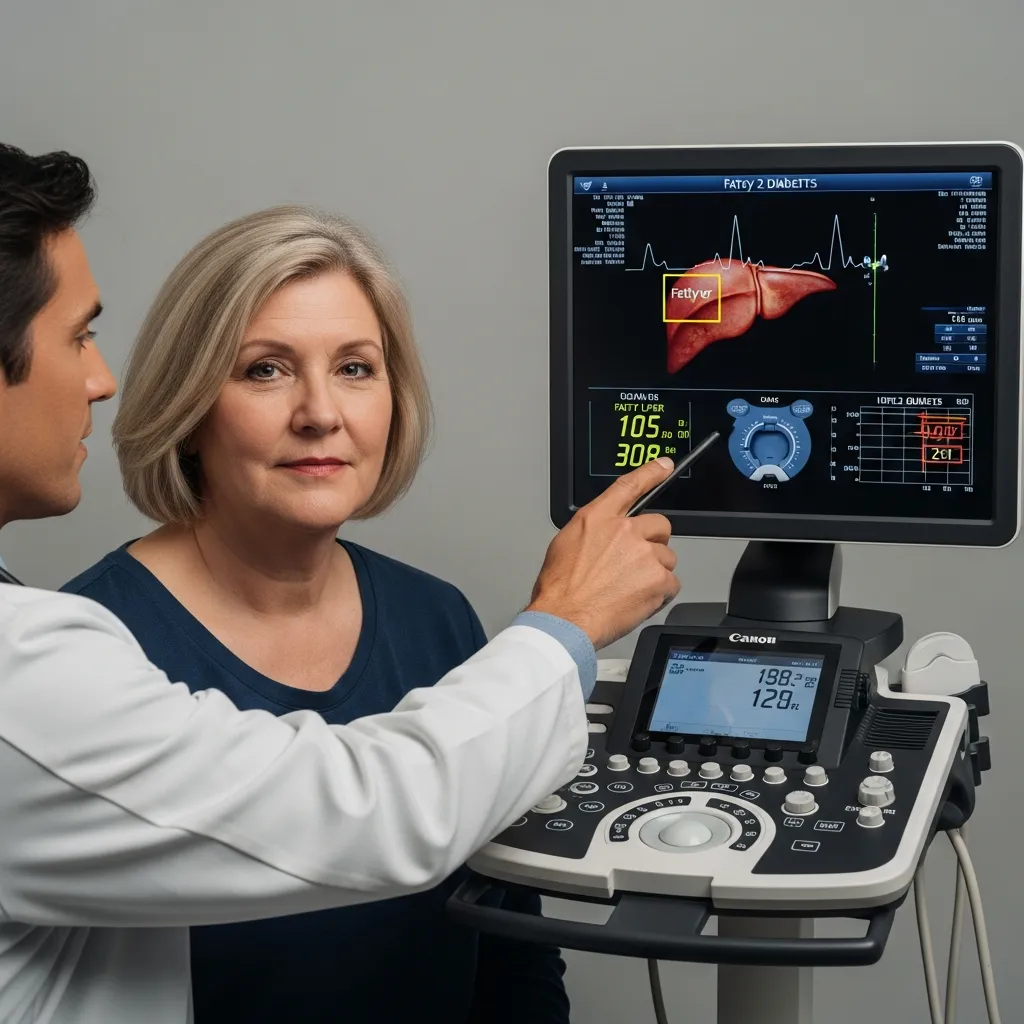
Why Fatty Liver Develops Before Type 2 Diabetes
Introduction
The liver is one of the hardest-working organs in the human body. Every minute, it processes nutrients absorbed from the digestive tract, helps regulate blood sugar, produces essential proteins, metabolizes medications, stores vitamins and minerals, and plays a central role in fat metabolism. Despite these critical responsibilities, the liver can accumulate significant amounts of fat for years without causing pain or noticeable symptoms.
Today, metabolic dysfunction-associated steatotic liver disease (MASLD)—formerly known as nonalcoholic fatty liver disease (NAFLD)—is one of the most common chronic liver conditions worldwide. It affects an estimated one in three adults and is closely linked to obesity, insulin resistance, type 2 diabetes, and cardiovascular disease. Yet many people are unaware they have fatty liver until routine blood work or imaging reveals the condition.
What surprises many people is that fatty liver often develops before type 2 diabetes is diagnosed. In many cases, the liver is already accumulating fat while fasting glucose and HbA1c remain completely normal. This occurs because the underlying problem is not high blood sugar itself but the metabolic changes driven by insulin resistance and chronically elevated insulin levels.
Understanding why fat accumulates in the liver changes the way we think about metabolic disease. Rather than viewing fatty liver as an isolated liver condition, it becomes clear that it is one of the earliest manifestations of a much broader metabolic process affecting multiple organs throughout the body.
In this article, we'll explore how the liver normally regulates glucose and fat metabolism, why insulin resistance causes fat to accumulate within liver cells, how this process contributes to the development of type 2 diabetes, and why identifying fatty liver early is important for long-term metabolic health.
🎧 Listen to the Episode: The Hidden Metabolic Story Behind Fatty Liver
Fatty liver rarely begins with abnormal liver enzymes. It often begins years earlier with chronically elevated insulin, hidden metabolic dysfunction, and excess energy being stored where it doesn't belong.
In this episode of The Health Pulse, we explain how MASLD, insulin resistance, liver metabolism, and early metabolic testing fit together, and why identifying fatty liver early may help prevent diabetes, cardiovascular disease, and progressive liver damage.
▶️ Click play below to listen, or keep reading to discover why protecting your liver starts long before routine blood work ever shows a problem.
The Liver: The Metabolic Control Center
Although the pancreas often receives most of the attention in discussions about diabetes, the liver is arguably the body's metabolic command center. Nearly every nutrient absorbed from the intestine passes through the liver before entering the general circulation, allowing it to determine whether those nutrients should be stored, used immediately for energy, converted into other molecules, or released into the bloodstream.
One of the liver's most important responsibilities is maintaining blood glucose between meals. After eating, insulin signals the liver to stop producing glucose and begin storing excess glucose as glycogen, a rapidly accessible form of energy. During fasting, the liver reverses this process by breaking down glycogen (glycogenolysis) and, when glycogen stores become depleted, producing new glucose from amino acids, lactate, and glycerol through gluconeogenesis. These mechanisms ensure that organs such as the brain and red blood cells continue receiving a steady supply of glucose even when food is unavailable.
The liver is also central to lipid metabolism. It synthesizes cholesterol, packages triglycerides into very low-density lipoproteins (VLDL) for transport through the bloodstream, oxidizes fatty acids to produce energy, and converts excess carbohydrate into fat through a process called de novo lipogenesis. These pathways are carefully regulated under healthy conditions, allowing the liver to balance energy storage with energy utilization.
Insulin serves as one of the liver's primary metabolic regulators. After a meal, it suppresses hepatic glucose production while simultaneously promoting glycogen synthesis and, when energy stores are sufficient, stimulating fat synthesis. These actions are entirely normal and help the body efficiently manage periods of nutrient abundance.
The problem arises when insulin remains chronically elevated.
In the early stages of insulin resistance, the liver does not become uniformly resistant to insulin. Instead, it develops what researchers call selective hepatic insulin resistance. Certain metabolic pathways become resistant to insulin's effects, while others remain highly responsive. This selective loss of insulin sensitivity is one of the key mechanisms that explains why fatty liver often develops years before type 2 diabetes.
To understand why, we first need to examine how insulin resistance affects glucose production and fat synthesis differently within the liver.
Key Takeaway
The liver is the body's metabolic control center, regulating both glucose and fat metabolism. As insulin resistance develops, the liver loses sensitivity to some actions of insulin while remaining responsive to others, creating the metabolic imbalance that drives fat accumulation long before type 2 diabetes appears.
Selective Hepatic Insulin Resistance: The Paradox That Drives Fatty Liver
At first glance, insulin resistance appears straightforward: tissues become less responsive to insulin, so insulin simply stops working. However, the liver behaves very differently. Rather than becoming resistant to all of insulin's actions, it develops what scientists refer to as selective hepatic insulin resistance.
This means the liver becomes resistant to some of insulin's signals while remaining surprisingly sensitive to others.
Under healthy conditions, one of insulin's primary jobs is to suppress hepatic glucose production. After a meal, rising insulin levels signal the liver to stop releasing glucose into the bloodstream because dietary glucose is now readily available. As hepatic insulin resistance develops, this signal becomes progressively impaired. Despite elevated insulin concentrations, the liver continues producing glucose through gluconeogenesis, contributing to rising blood sugar over time.
If insulin resistance affected every pathway equally, fat production inside the liver should also decline. But that is not what happens.
The metabolic pathways responsible for de novo lipogenesis—the conversion of excess carbohydrate into fatty acids—often remain highly responsive to insulin. In particular, insulin continues to activate transcription factors such as sterol regulatory element-binding protein-1c (SREBP-1c) and carbohydrate-responsive element-binding protein (ChREBP), which stimulate the expression of enzymes involved in fatty acid synthesis.
The result is a remarkable paradox.
The liver becomes resistant to insulin's ability to suppress glucose production, yet it continues responding to insulin's signal to manufacture fat.
As insulin levels remain chronically elevated, the liver continues converting excess glucose and other substrates into fatty acids. These fatty acids are then assembled into triglycerides. Some triglycerides are packaged into very low-density lipoproteins (VLDL) and exported into the bloodstream, contributing to elevated triglyceride levels. Others remain trapped within liver cells, gradually leading to hepatic steatosis—the defining feature of fatty liver disease.
This explains why fatty liver and elevated triglycerides frequently appear years before type 2 diabetes is diagnosed. During this stage, blood glucose may still be maintained within the normal range because the pancreas continues producing large amounts of insulin. Meanwhile, that same insulin is actively driving fat accumulation within the liver.
Over time, this becomes a vicious cycle. As fat accumulates inside hepatocytes, inflammatory pathways become activated, mitochondrial function declines, oxidative stress increases, and insulin resistance worsens further. The liver gradually becomes less capable of regulating both glucose and lipid metabolism, setting the stage for more advanced metabolic disease.
Understanding selective hepatic insulin resistance fundamentally changes how we think about fatty liver. It is not simply the result of "too much fat" accumulating in the liver—it is the consequence of a liver receiving mixed metabolic signals, where insulin fails to stop glucose production but continues stimulating fat synthesis.
Key Takeaway
Selective hepatic insulin resistance allows the liver to continue producing fat even as it becomes resistant to insulin's ability to suppress glucose production. This paradox explains why fatty liver often develops long before blood sugar rises and why hyperinsulinemia plays such a central role in the disease process.
Where Does the Fat in Fatty Liver Come From?
A common misconception is that fatty liver develops because dietary fat is deposited directly into the liver. While dietary fat can contribute under certain circumstances, research has shown that the fat accumulating inside the liver comes from multiple sources, with insulin resistance playing a central role in each of them.
The largest contributor is often free fatty acids released from adipose tissue. Under healthy conditions, insulin suppresses lipolysis, the breakdown of stored triglycerides into free fatty acids. As adipose tissue becomes insulin resistant, this anti-lipolytic effect weakens, allowing larger amounts of free fatty acids to escape into the bloodstream. These fatty acids travel directly to the liver, where they are either oxidized for energy, exported as VLDL particles, or reassembled into triglycerides and stored within liver cells.
A second major source is de novo lipogenesis (DNL), the process by which the liver converts excess carbohydrate into fat. Although DNL is a normal metabolic pathway, chronically elevated insulin and repeated exposure to high carbohydrate loads—particularly diets rich in refined carbohydrates and fructose—can substantially increase its activity. Over time, this contributes to the accumulation of triglycerides within hepatocytes.
The liver also receives fat directly from the diet in the form of chylomicron remnants. After a meal, dietary triglycerides are packaged into chylomicrons by the intestine and delivered to peripheral tissues. Once much of their triglyceride content has been removed, the remaining chylomicron remnants are taken up by the liver. Under normal metabolic conditions, this pathway is well regulated and contributes relatively little to liver fat accumulation compared with adipose-derived fatty acids and de novo lipogenesis.
Normally, the liver has several ways to prevent fat from accumulating. It can burn fatty acids through mitochondrial beta-oxidation, package triglycerides into VLDL particles for export, or temporarily store small amounts of fat. Problems arise when the influx of fatty acids consistently exceeds the liver's ability to oxidize or export them.
As insulin resistance progresses, this balance begins to fail. Increased delivery of free fatty acids from adipose tissue, continued stimulation of de novo lipogenesis, impaired mitochondrial fat oxidation, and limitations in VLDL export all combine to create a net accumulation of triglycerides within liver cells.
Importantly, triglycerides themselves may not be the primary drivers of liver injury. Many researchers believe triglyceride formation is actually a protective mechanism, allowing the liver to safely store excess fatty acids that might otherwise damage cellular structures. The greater concern appears to be the accumulation of toxic lipid intermediates—such as diacylglycerols (DAGs) and ceramides—which interfere with insulin signaling, increase oxidative stress, and promote inflammation within the liver.
This distinction helps explain why fatty liver is not merely a disorder of fat storage. It is a manifestation of a much broader disturbance in energy metabolism, where the liver becomes overwhelmed by an excess supply of fuel that it can no longer process efficiently.
Key Takeaway
The fat that accumulates in the liver comes from multiple sources, including adipose tissue, de novo lipogenesis, and dietary fat. Fatty liver develops when the liver receives more fatty acids than it can oxidize or export, creating a metabolic imbalance that promotes insulin resistance and progressive liver dysfunction.
From Fatty Liver to Inflammation and Fibrosis
Not everyone with fatty liver develops advanced liver disease. Many people remain in the early stage of hepatic steatosis, where excess triglycerides accumulate within liver cells but cause little immediate damage. The concern arises when the metabolic stress responsible for fat accumulation continues unchecked.
As fat builds up inside hepatocytes, the liver is exposed to increasing amounts of free fatty acids, diacylglycerols (DAGs), ceramides, and other lipid intermediates that can disrupt normal cellular function. Unlike triglycerides, which are thought to serve as a relatively safe storage form of fat, these lipid species can be directly toxic to liver cells—a phenomenon known as lipotoxicity.
Lipotoxicity places tremendous stress on the mitochondria. As fatty acid oxidation increases, mitochondria produce larger amounts of reactive oxygen species (ROS). Under normal circumstances, antioxidant systems neutralize these molecules before they can cause harm. However, when ROS production overwhelms these defenses, oxidative stress develops, damaging mitochondrial DNA, proteins, and cellular membranes. ATP production becomes less efficient, leaving hepatocytes with less energy to maintain normal function and repair cellular damage.
This oxidative stress activates the liver's resident immune cells, known as Kupffer cells. Once activated, these macrophages release inflammatory cytokines such as TNF-α, IL-1β, and IL-6, attracting additional immune cells into the liver. What began as a metabolic problem now evolves into a chronic inflammatory process.
Persistent inflammation has another important consequence: the activation of hepatic stellate cells. Under healthy conditions, these cells store vitamin A and remain relatively inactive. During chronic liver injury, however, they transform into collagen-producing cells that begin depositing extracellular matrix throughout the liver. Over time, this excessive collagen accumulation leads to fibrosis, gradually replacing healthy liver tissue with scar tissue.
If fibrosis continues to progress, the normal architecture of the liver becomes increasingly distorted. Advanced fibrosis can eventually develop into cirrhosis, a condition characterized by extensive scarring, impaired liver function, portal hypertension, and a significantly increased risk of liver failure and hepatocellular carcinoma.
Fortunately, this progression is not inevitable. Many individuals with early fatty liver never develop significant fibrosis, particularly if the underlying metabolic abnormalities are identified and addressed. Improving insulin sensitivity, reducing chronic inflammation, lowering excess liver fat, and supporting overall metabolic health can often halt—or even partially reverse—the early stages of fatty liver disease before permanent scarring occurs.
Understanding this progression reinforces an important concept: fatty liver is not simply the presence of fat within the liver. It represents a continuum of metabolic dysfunction that, if left unaddressed, can evolve from simple steatosis to inflammation, fibrosis, and eventually irreversible liver damage.
Key Takeaway
Fatty liver becomes dangerous when excess fat triggers lipotoxicity, oxidative stress, and chronic inflammation. These processes activate hepatic stellate cells, leading to fibrosis and, in some cases, cirrhosis. Identifying and addressing metabolic dysfunction early offers the best opportunity to prevent this progression.
Can Fatty Liver Be Reversed?
One of the most encouraging aspects of metabolic dysfunction-associated steatotic liver disease (MASLD) is that the early stages are often reversible. Unlike cirrhosis, where extensive scar tissue permanently alters the liver's architecture, simple steatosis and even early fibrosis may improve when the underlying metabolic disturbances are corrected.
The primary goal is not simply to remove fat from the liver—it is to address why the liver began accumulating fat in the first place.
For many individuals, this begins with improving insulin sensitivity. As insulin levels decline and tissues become more responsive to insulin, the liver receives fewer signals to convert excess carbohydrate into fat through de novo lipogenesis. At the same time, improved adipose tissue function reduces the release of free fatty acids into the circulation, decreasing the amount of fat delivered to the liver.
Weight loss has consistently been shown to improve fatty liver, particularly when excess body fat is present. Clinical studies suggest that losing approximately 5% of body weight may reduce liver fat, while losses of 7–10% or more are associated with greater improvements in liver inflammation and, in some individuals, regression of fibrosis. The mechanism is not simply weight loss itself, but the improvement in insulin sensitivity and reduction in ectopic fat that often accompanies it.
Nutrition also plays a central role. Diets emphasizing minimally processed foods, adequate protein, and improved metabolic health have been associated with reductions in liver fat. Several dietary patterns—including the Mediterranean diet, lower-carbohydrate approaches, and calorie-restricted diets—have demonstrated benefits in clinical studies when they improve energy balance and insulin sensitivity. Rather than identifying a single "best" diet, the evidence suggests that the most effective dietary approach is one that an individual can maintain long term while improving metabolic health.
Regular physical activity provides benefits even when weight loss is modest. Both aerobic exercise and resistance training improve insulin sensitivity, increase skeletal muscle glucose uptake, reduce liver fat, and enhance mitochondrial function. Because skeletal muscle is the body's largest site of glucose disposal, improving muscle health reduces the metabolic burden placed on the liver.
Other lifestyle factors should not be overlooked. Adequate sleep, management of obstructive sleep apnea when present, limiting excessive alcohol consumption, smoking cessation, and treatment of conditions such as type 2 diabetes, dyslipidemia, and hypertension all contribute to a healthier metabolic environment that supports liver recovery.
The liver possesses a remarkable capacity for regeneration. When the chronic metabolic stress driving fat accumulation is reduced, hepatocytes can gradually restore more normal function, inflammation may subside, and progression toward fibrosis can often be slowed or prevented. This regenerative potential is one reason early identification of fatty liver is so important.
The message is ultimately one of prevention and opportunity. Fatty liver should not be viewed as an isolated liver disease but as an early warning sign that the body's metabolic systems are under strain. Addressing that strain before permanent damage occurs offers the greatest opportunity to restore liver health and reduce the risk of future chronic disease.
Key Takeaway
Early fatty liver is often reversible because the liver has an extraordinary ability to regenerate. Improving insulin sensitivity, reducing metabolic stress, exercising regularly, and adopting sustainable nutrition and lifestyle habits can significantly reduce liver fat and lower the risk of progression to more advanced liver disease.
How Lab Testing Can Identify Fatty Liver Before Symptoms Develop
One of the greatest challenges with metabolic dysfunction-associated steatotic liver disease (MASLD) is that it is often called a "silent disease." Most people experience no symptoms during the early stages, and many have completely normal physical examinations. As a result, fatty liver is frequently discovered incidentally during routine blood work or imaging performed for an unrelated reason.
Routine liver enzymes are often the first clue. Alanine aminotransferase (ALT) and aspartate aminotransferase (AST) are released into the bloodstream when liver cells are injured. Mild elevations may suggest ongoing liver inflammation, but it is important to recognize that normal ALT and AST levels do not rule out fatty liver. Many individuals with significant hepatic steatosis—and even early fibrosis—may have liver enzyme values that remain within the laboratory reference range.
Because MASLD is fundamentally a metabolic disease, evaluating the broader metabolic environment is equally important.
One of the most valuable biomarkers is fasting insulin. Elevated fasting insulin often develops years before fasting glucose or HbA1c become abnormal and reflects the hyperinsulinemia driving many of the metabolic changes discussed throughout this article. Measuring fasting insulin alongside fasting glucose and HbA1c provides a more complete assessment of insulin sensitivity than glucose alone.
A comprehensive evaluation should also include lipid markers. Elevated triglycerides, reduced HDL cholesterol, and increased Apolipoprotein B (ApoB) are common features of insulin resistance and fatty liver. Advanced lipid testing can provide additional insight into the cardiovascular risk that frequently accompanies MASLD, emphasizing that fatty liver is not simply a liver condition—it is part of a broader cardiometabolic syndrome.
Additional laboratory markers may help evaluate the consequences of progressive liver disease. Albumin, bilirubin, and liver synthetic function become increasingly important in more advanced stages, while inflammatory markers such as high-sensitivity C-reactive protein (hs-CRP) may provide insight into the chronic low-grade inflammation associated with metabolic dysfunction.
Laboratory testing, however, tells only part of the story. Imaging studies such as ultrasound, transient elastography (FibroScan®), MRI-based proton density fat fraction (MRI-PDFF), and other non-invasive assessments may be used by healthcare providers to evaluate liver fat content and estimate the degree of fibrosis. These tools have become increasingly valuable because they allow clinicians to identify liver disease without the need for a biopsy in many patients.
At QuickLab Mobile, we provide comprehensive at-home laboratory testing throughout Miami, helping patients evaluate many of the metabolic biomarkers associated with fatty liver, including fasting insulin, glucose regulation, advanced lipid testing, inflammatory markers, and comprehensive liver function testing. Combined with appropriate medical evaluation and imaging when indicated, these laboratory insights can help identify metabolic dysfunction early—when the opportunity for prevention and reversal is greatest.
Key Takeaway
Fatty liver often develops silently and cannot be diagnosed by liver enzymes alone. A comprehensive metabolic evaluation—including fasting insulin, glucose regulation, advanced lipid testing, inflammatory markers, and liver function tests—provides a much clearer understanding of the biological processes driving liver disease.
Conclusion
Fatty liver is often viewed as an isolated disorder of the liver, but the science tells a much broader story. In most cases, it represents one of the earliest manifestations of metabolic dysfunction, developing years before type 2 diabetes is diagnosed and long before symptoms become apparent. By the time liver fat is detected, insulin resistance, hyperinsulinemia, and altered lipid metabolism have often been affecting the body for years.
Understanding selective hepatic insulin resistance helps explain why this occurs. As the liver becomes resistant to insulin's ability to suppress glucose production, it often remains highly responsive to insulin's fat-producing signals. The result is a metabolic paradox: the liver continues manufacturing and storing fat even while glucose regulation is beginning to fail. Over time, this excess fat promotes oxidative stress, chronic inflammation, mitochondrial dysfunction, and, in some individuals, progressive fibrosis.
The encouraging news is that early fatty liver is often reversible. Because the liver has an extraordinary capacity to regenerate, addressing the underlying metabolic dysfunction can substantially reduce liver fat and improve overall liver health. Improving insulin sensitivity, increasing physical activity, maintaining healthy skeletal muscle, adopting sustainable dietary habits, prioritizing quality sleep, and managing other cardiometabolic risk factors all help create the conditions necessary for recovery.
Rather than thinking of fatty liver as simply a problem of excess fat, it is more accurate to view it as an early warning sign that the body's metabolic systems are under increasing strain. Recognizing this stage provides an opportunity to intervene before more serious complications—including type 2 diabetes, cardiovascular disease, advanced liver fibrosis, and cirrhosis—become established.
At QuickLab Mobile, we believe that prevention begins with early detection. Through comprehensive at-home laboratory testing throughout Miami, we help patients evaluate the metabolic biomarkers associated with insulin resistance, liver health, inflammation, and cardiovascular risk. Identifying these changes before symptoms develop allows patients and their healthcare providers to make informed decisions aimed at protecting long-term metabolic and liver health.
👉 Need a specimen collection?. Book Now
Disclaimer:
The information provided in this blog, podcast, and associated content is for educational and informational purposes only and is not intended as a substitute for professional medical advice, diagnosis, or treatment. The content shared is based on reputable sources, medical literature, and expert insights, but it should not be used as a replacement for direct consultation with a licensed healthcare provider.
No Doctor-Patient Relationship: Engaging with this content does not create a doctor-patient relationship between you and QuickLabMobile or any contributors. Always consult with a qualified physician, specialist, or healthcare professional before making any medical decisions, changing your treatment plan, or starting/stopping any medications.
Not a Substitute for Medical Advice: While we strive to provide accurate and up-to-date information, medicine is constantly evolving. New research, treatments, and medical recommendations may emerge, and individual health conditions can vary. Do not rely solely on this content for health decisions. If you are experiencing symptoms, have concerns about your health, or require medical assistance, seek immediate care from a licensed medical professional.
Emergency Situations: If you are experiencing a medical emergency, such as difficulty breathing, chest pain, signs of a stroke, or any other life-threatening condition, call 911 (or your local emergency services) immediately. Do not delay seeking emergency care based on information provided here.
Liability Disclaimer: QuickLabMobile, its contributors, and any associated entities do not assume liability for any damages, harm, or adverse outcomes resulting from the use, interpretation, or misuse of the information provided in this content. You are responsible for your own healthcare decisions and should always verify information with a trusted medical professional.
External Links & References: This content may include links to external sources, medical studies, or third-party websites for further reading. These links are provided for convenience and informational purposes only. QuickLabMobile does not endorse, control, or take responsibility for the accuracy of external content. Always verify information with authoritative sources such as the CDC, NIH, WHO.
Final Note: Your health is unique, and what works for one person may not be suitable for another. Stay informed, ask questions, and always prioritize professional medical guidance